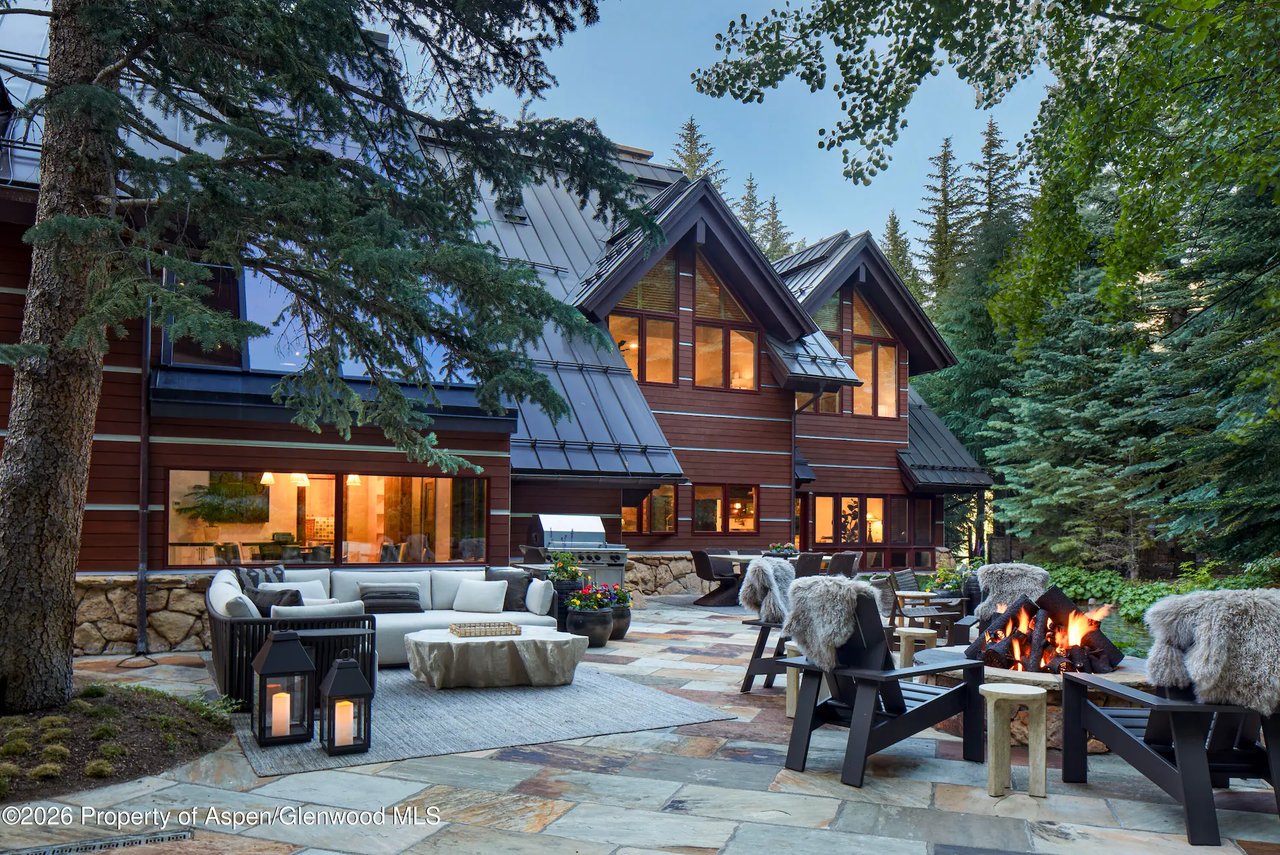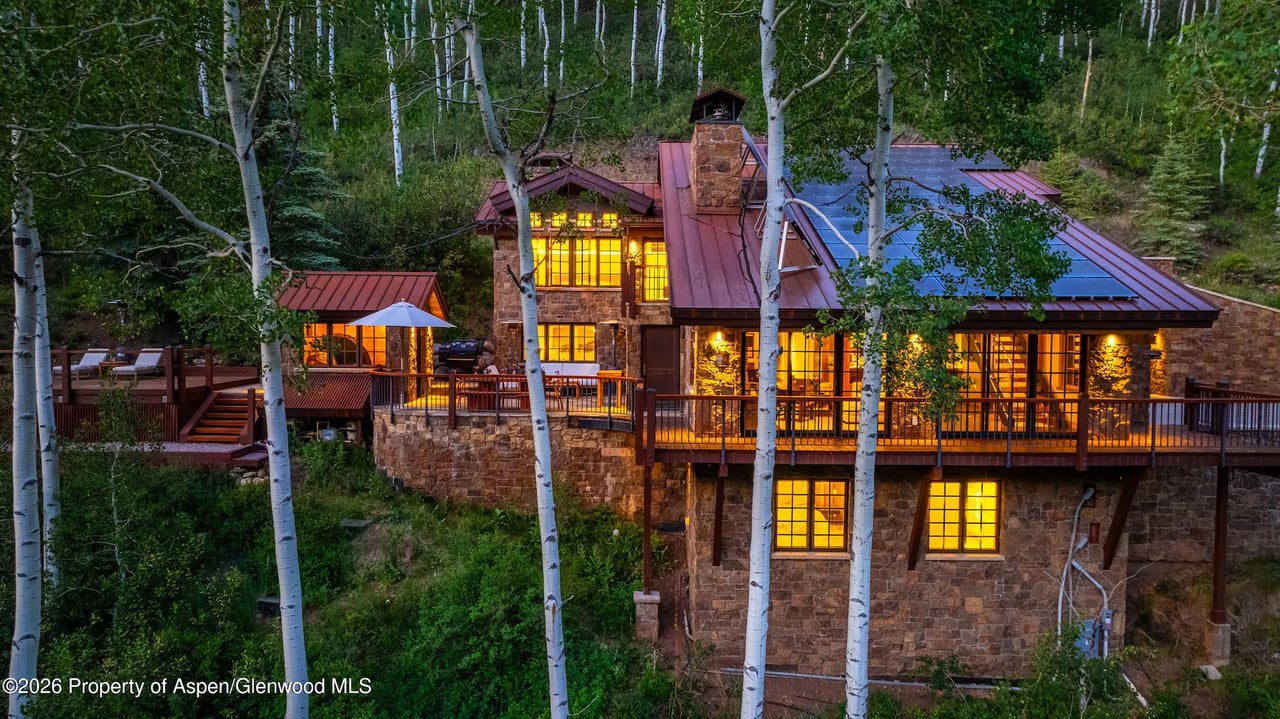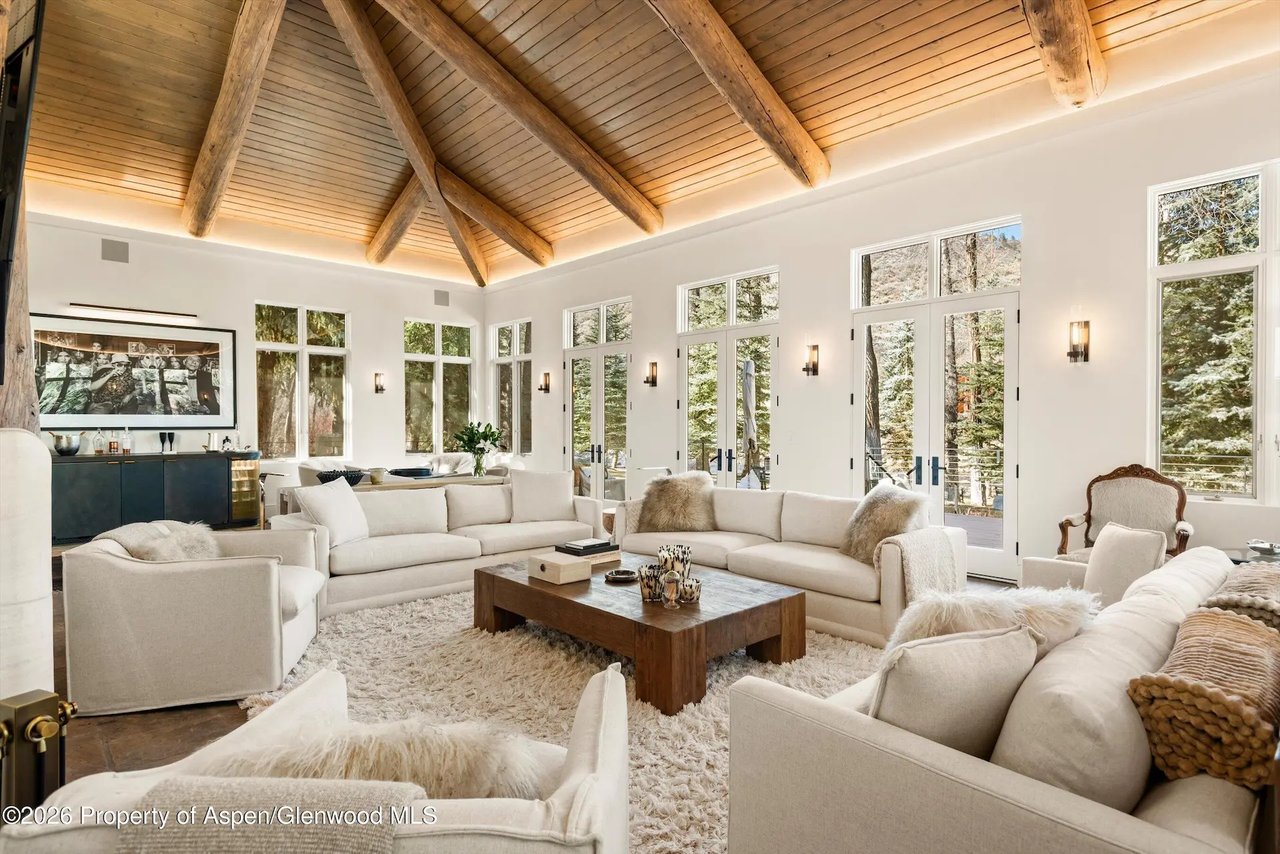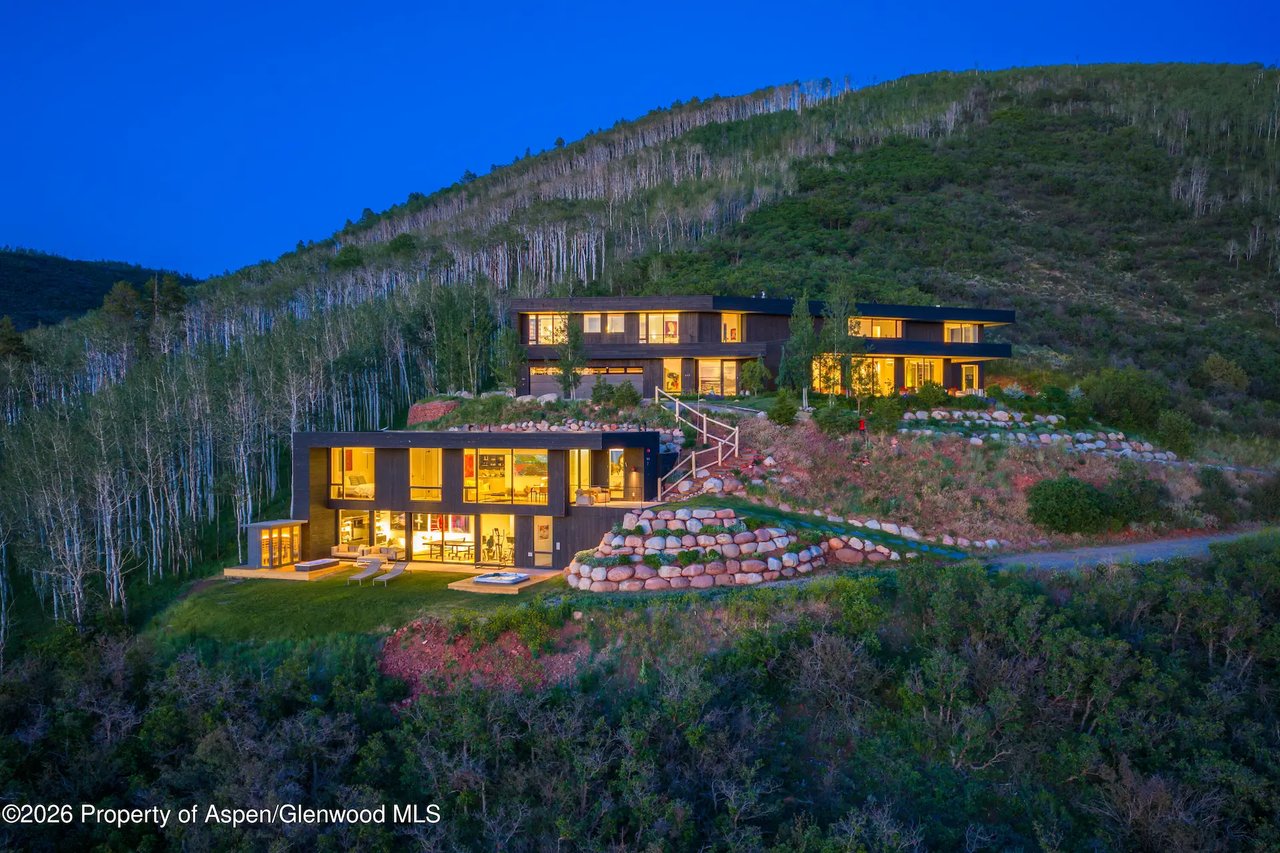
Most people arrive in Aspen already knowing it is exceptional. What surprises them is how much they did not know before they got here. The skiing is everything the reputation promises. But the dining scene now holds one Michelin star and four Michelin-recommended restaurants in a town of 7,000 permanent residents. The cultural calendar rivals cities ten times its size. The valley ecosystem extends well beyond the town limits, and the neighborhoods within Aspen operate by their own distinct logics. None of this shows up in a travel article. This guide is for people who are past the visit stage. This includes new residents settling in, second-home owners making the most of their time here, and buyers evaluating whether Aspen is right for their life. It covers the neighborhoods, seasons, costs, cultural landscape, logistics, and the things that take most people two or three years to learn on their own.
The Basics: What Aspen Actually Is
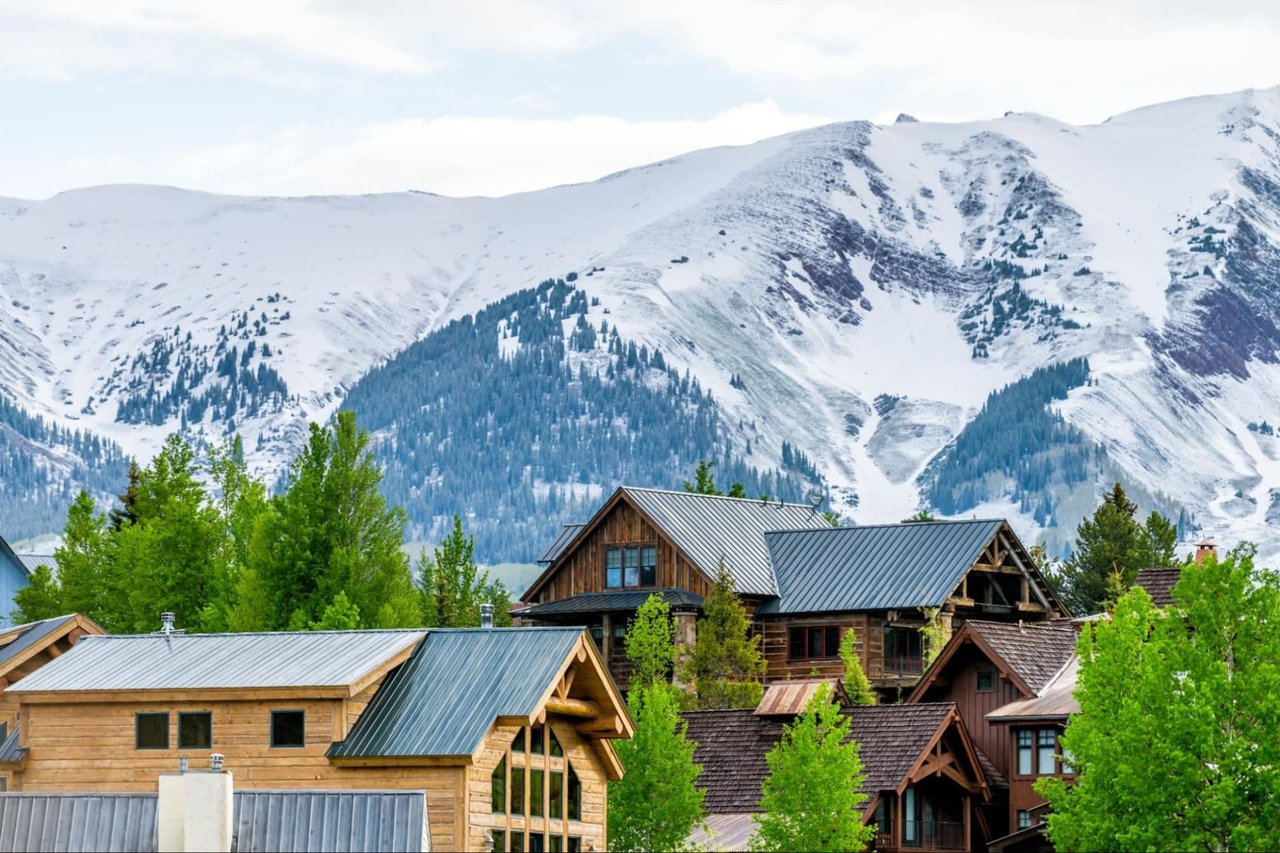
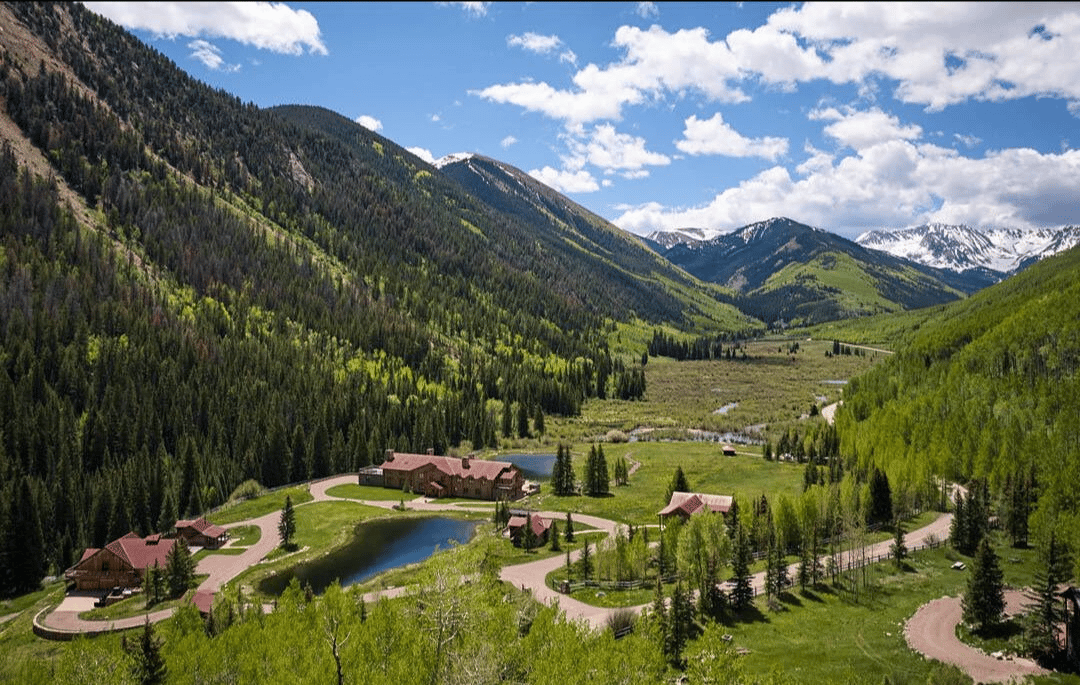
Aspen sits in Colorado's Roaring Fork Valley, nestled in the Elk Mountain Range at 7,908 feet above sea level. The city itself is just 3.6 square miles, with a permanent population of approximately 6,700 to 7,400 residents that swells to around 20,000 during peak seasons. More homes in Aspen are owned by second and third homeowners than by permanent residents. That single fact shapes everything about how the town operates. Aspen receives an average of 300 days of sunshine annually. Winters are cold and snowy, with temperatures regularly dropping below freezing. Summers are mild, dry, and arguably the most underappreciated season in the valley.
Aspen's Neighborhoods
No two Aspen neighborhoods offer the same life. The right neighborhood depends entirely on whether you are here to ski every morning, raise a family, entertain internationally, or enjoy quiet mountain ownership from a distance.
Central Core
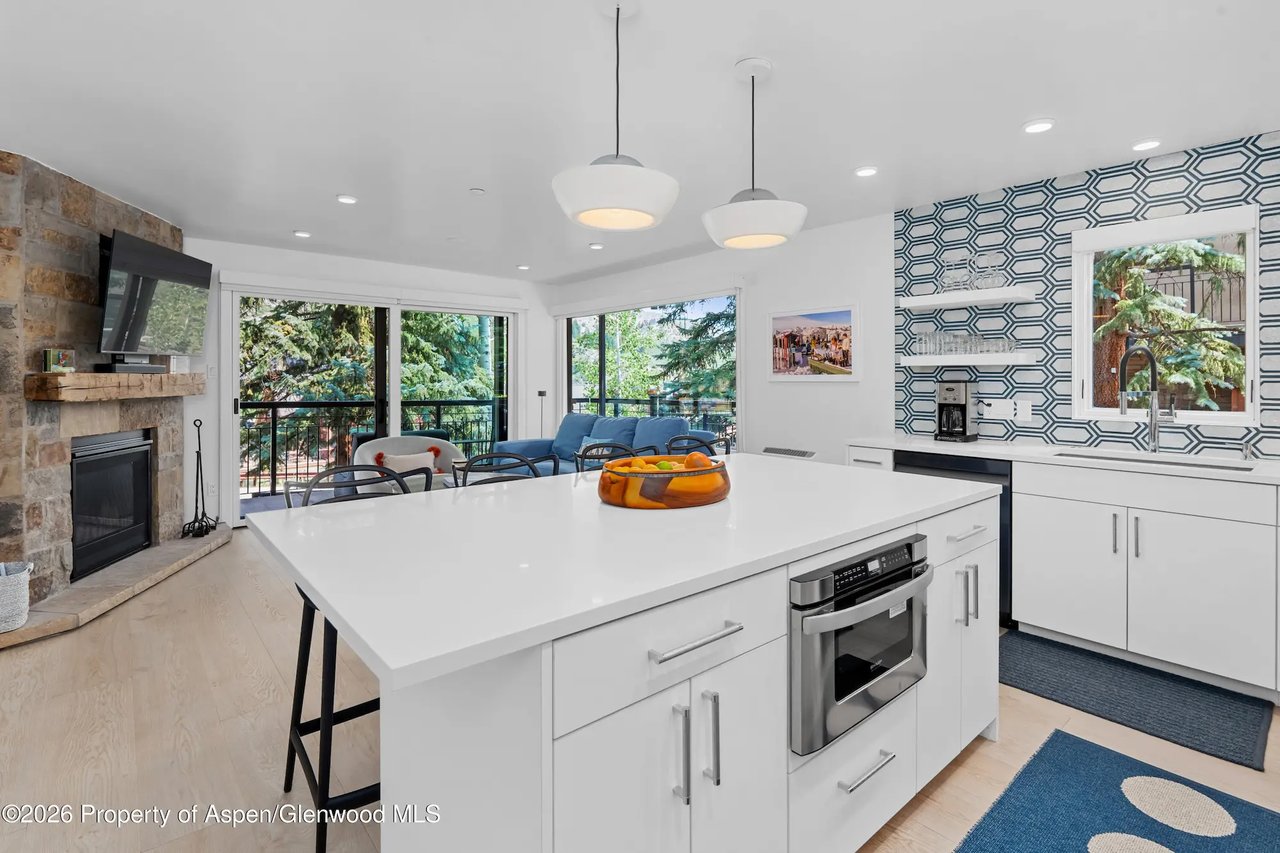
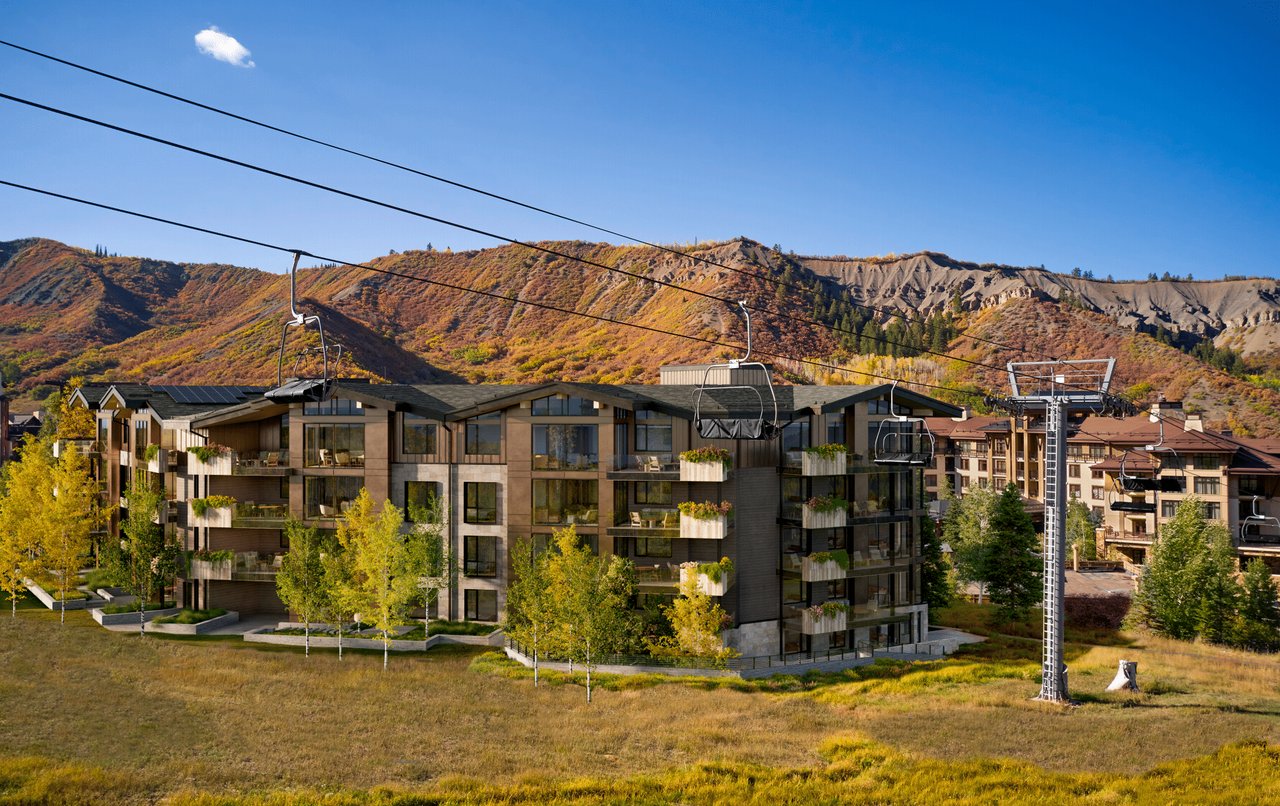
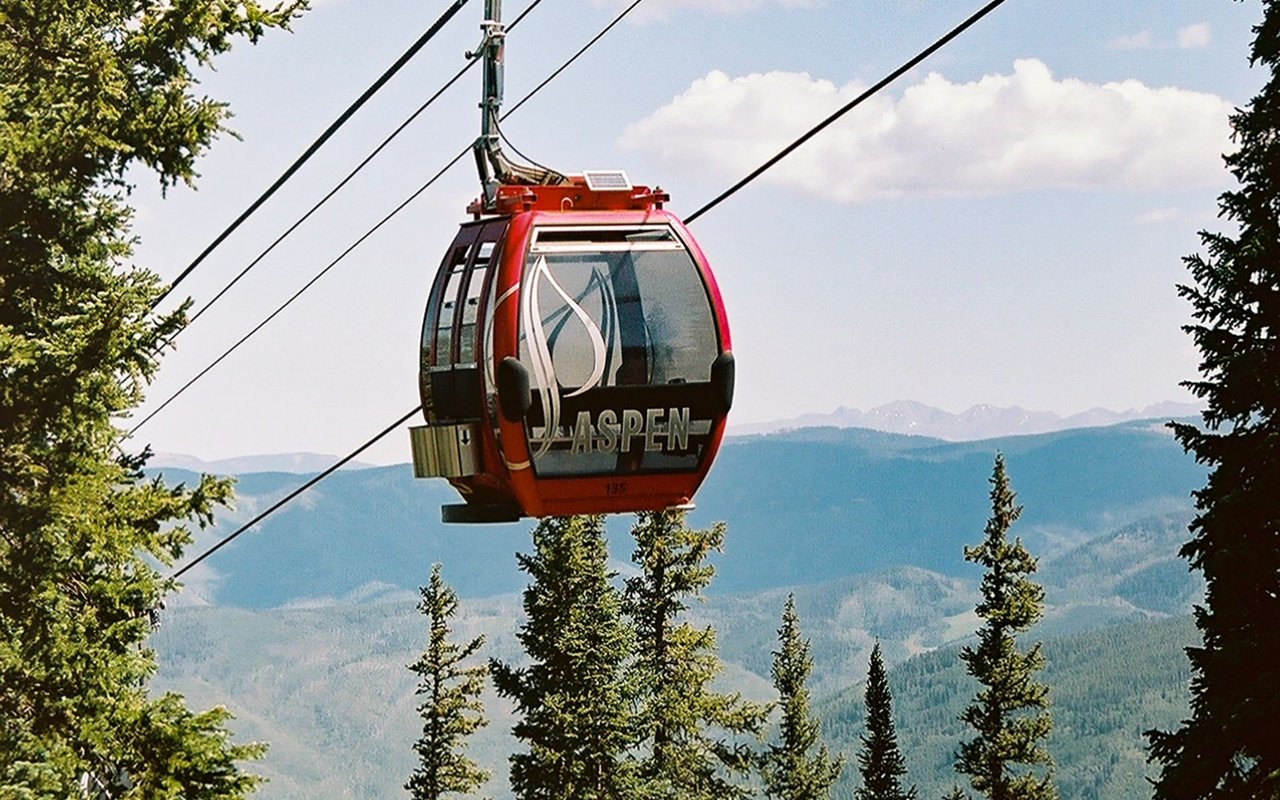
Central Core sits at the center of Aspen's daily life. This highly walkable area surrounds Aspen Mountain and places residents steps from the Silver Queen Gondola, world-class dining, luxury boutiques, and art galleries.
- Home prices typically range from $4 million to $15 million and above
- Lodge-zoned buildings here are STR-eligible, adding rental income potential
- The most active social and cultural environment in the valley
- No car required for daily life
Best for: Second-home owners who want maximum walkability and access to Aspen's energy.
West End
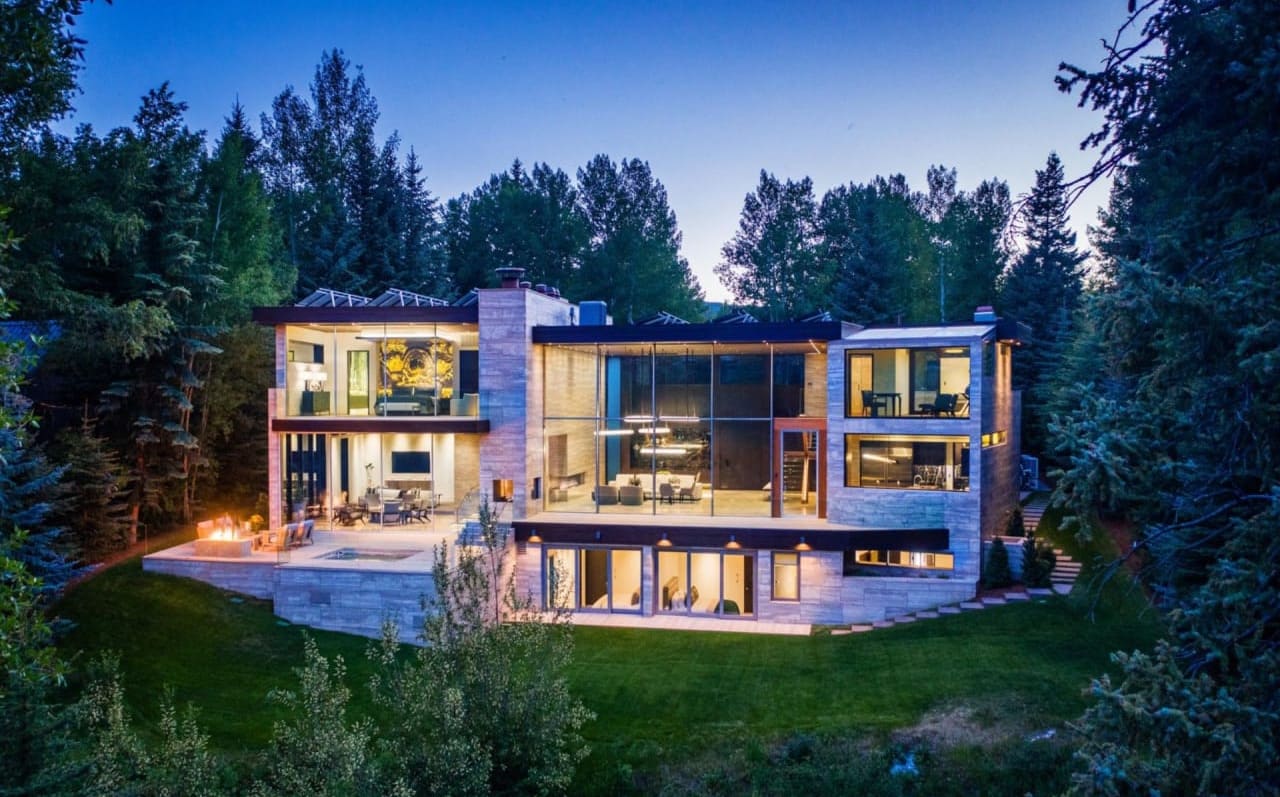
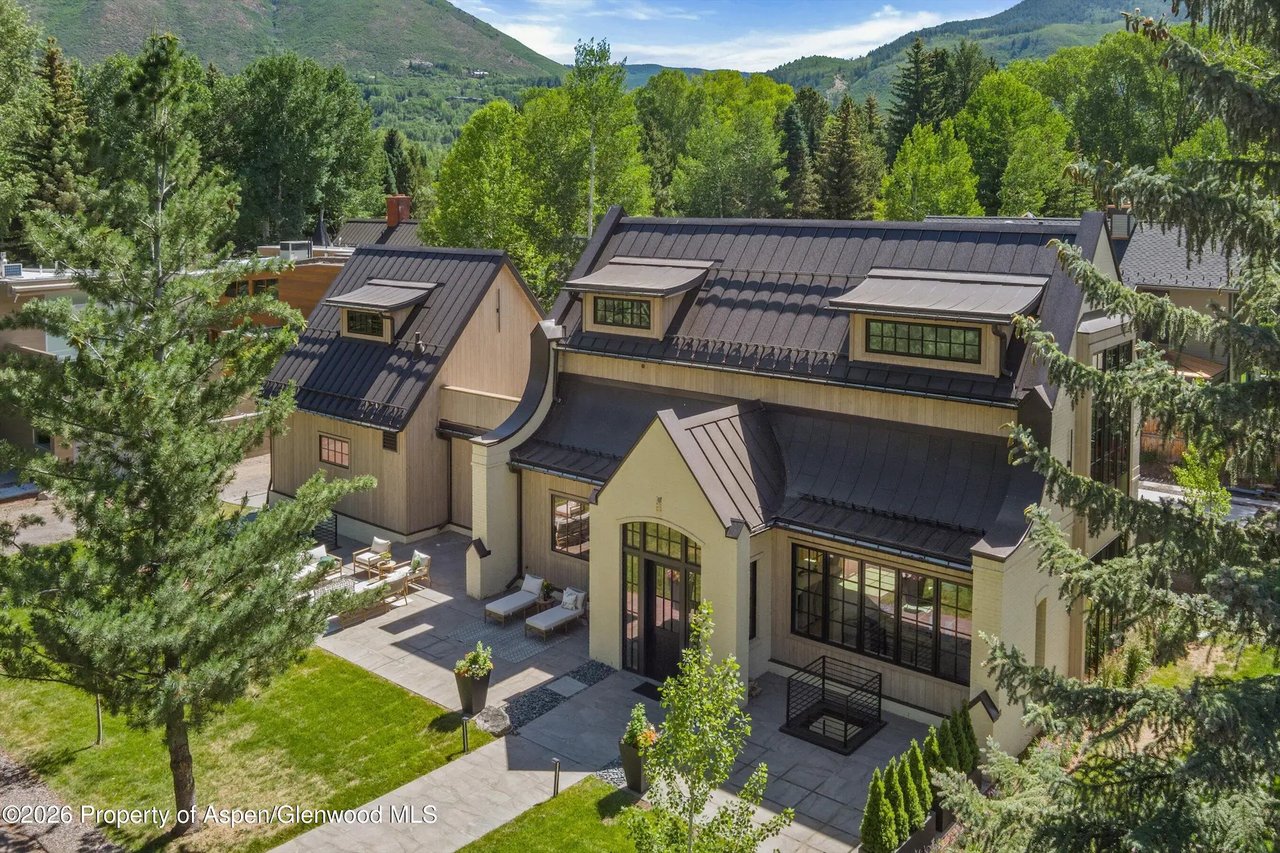
The West End is one of Aspen's most sought-after residential neighborhoods, known for its quiet tree-lined streets, charming Victorian homes, and proximity to cultural landmarks like the Aspen Institute, the Music Tent, and the Aspen Center for Physics. The neighborhood is experiencing a genuine 2026 renaissance, with Victorian facades preserved and interiors reimagined with contemporary luxury. Two new townhomes at 109 W Bleeker Street closed in May and June 2026 at $25 million each, confirming the level the West End is reaching.
- Average prices climbed from $10.98 million to $13.28 million in 2025
- Entry point starts at approximately $15 million for single-family homes
- The only Aspen neighborhood that combines walkability, historic Victorian architecture, flat streets, and proximity to cultural institutions
Best for: Full-time or near-full-time residents who want the Aspen lifestyle within walking distance of its cultural core.
Red Mountain
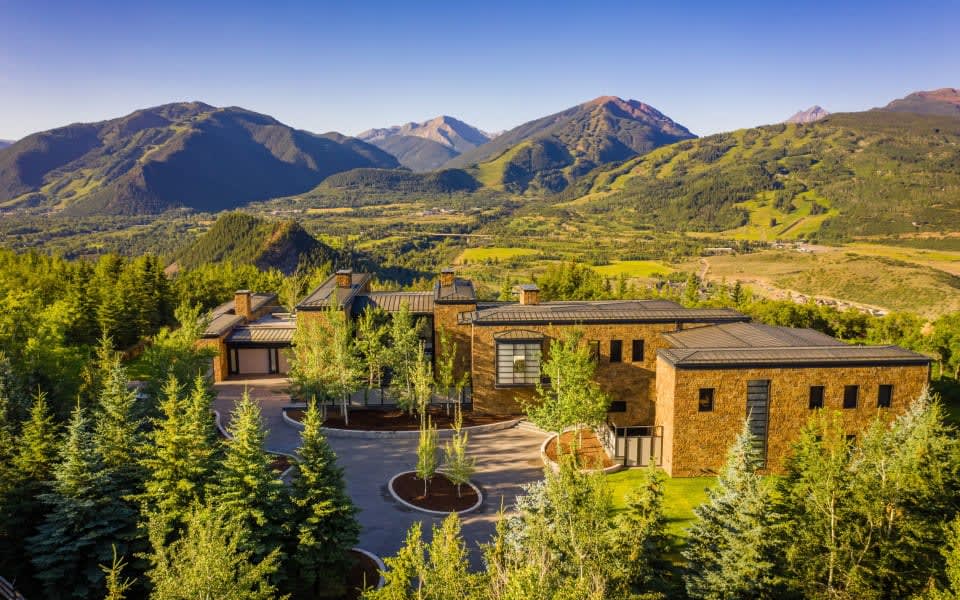
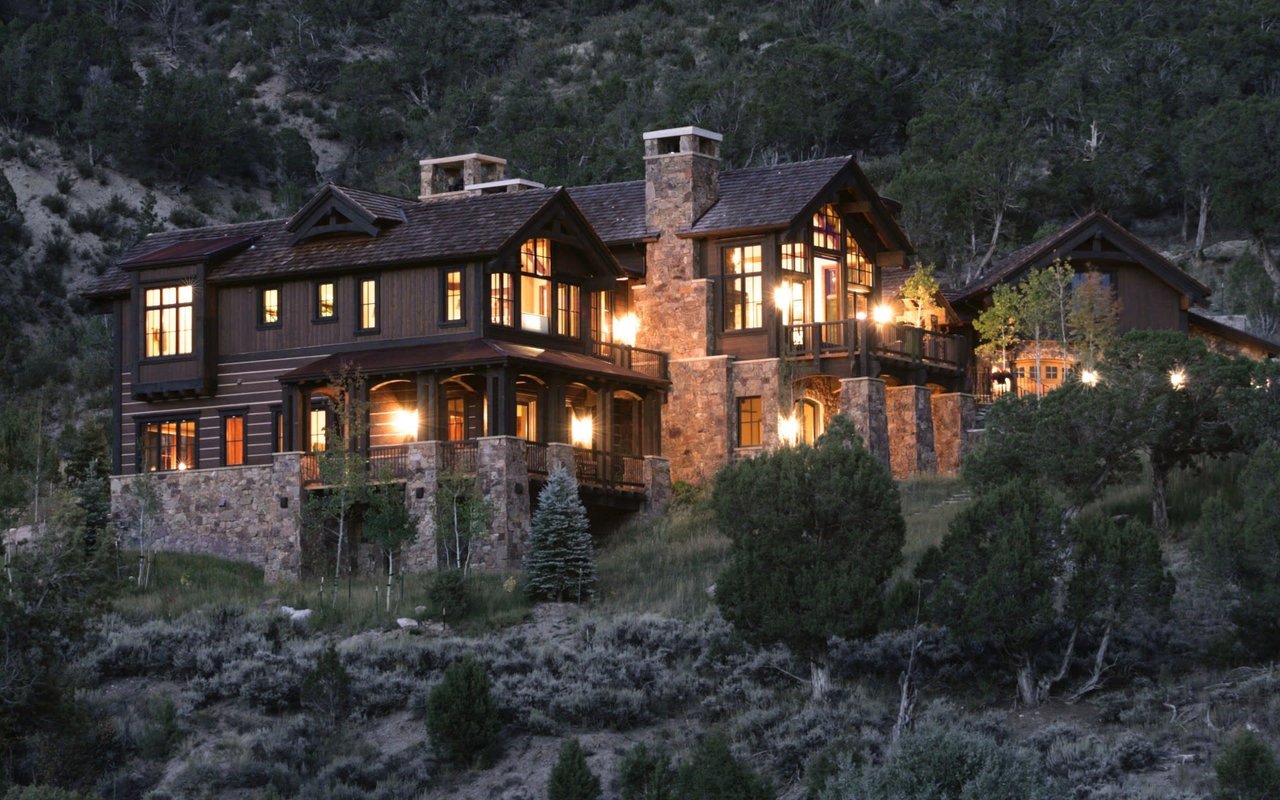
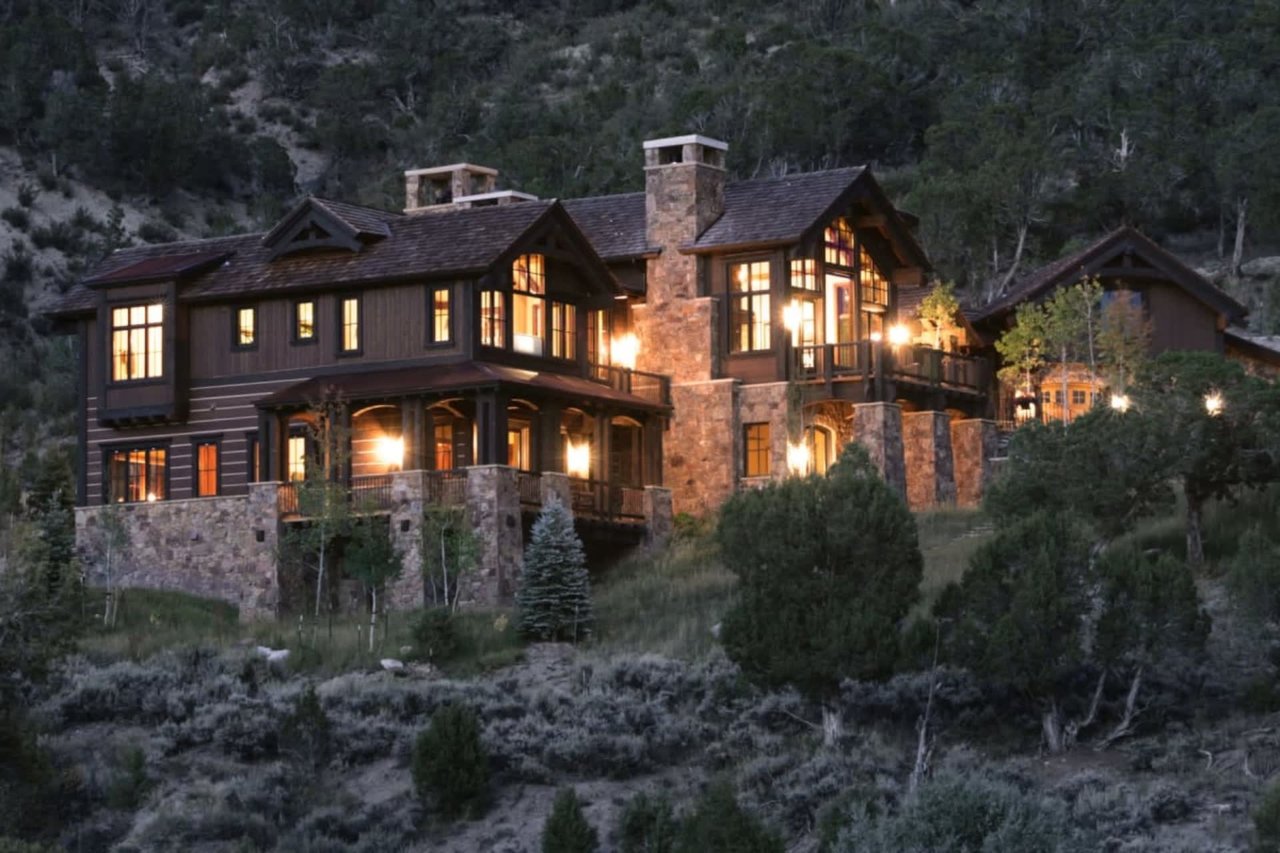
Perched above town with panoramic views of Aspen's four ski mountains, Red Mountain is one of the most prestigious and exclusive neighborhoods in the area. Homes here are architectural statements, with privacy, security, and commanding elevations. Properties command what brokers call the "Aspen triangular view"—Hunter Creek, Aspen Mountain, and Independence Pass simultaneously. Trophy estates on Red Mountain trade between $35 million and $60 million+, with the most significant 2026 transaction being Byron Allen's acquisition at $91.3 million and $6,813 per square foot.
- The entry point starts at approximately $15 million to $18 million
- Price per square foot consistently exceeds $4,000 in prime positions
- Properties here rarely come to market publicly
Best for: Ultra-high-net-worth buyers seeking maximum privacy, views, and estate-scale living.
East Aspen
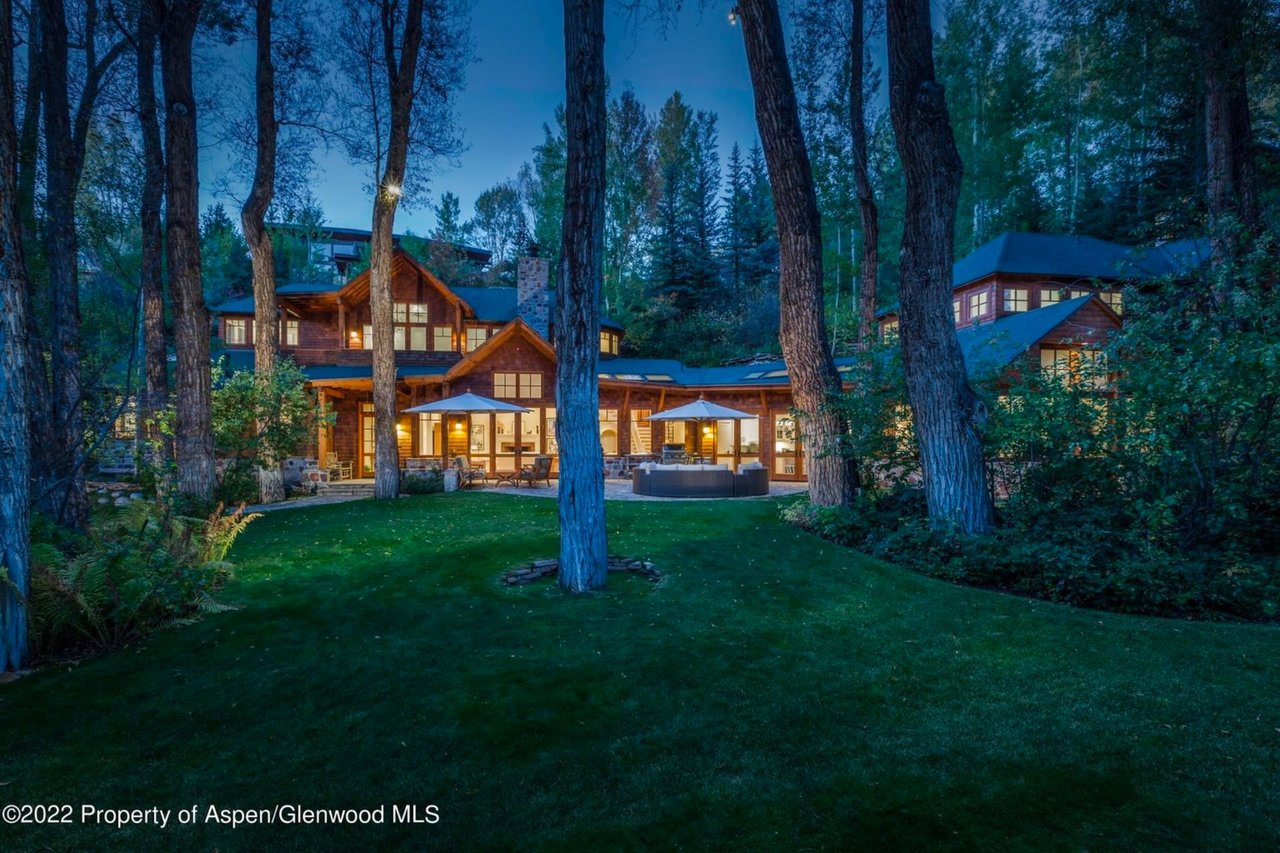
East Aspen provides a quieter lifestyle along the Roaring Fork River just outside Aspen's downtown core. Residents enjoy immediate access to hiking trails, open space, and the nearby North Star Nature Preserve. Average prices rose from $10.25 million to $11.96 million in 2025. For buyers who want more land per dollar than the Core provides, East Aspen delivers real value alongside genuine development potential under the right conditions. Best for: Buyers with a long hold horizon who want Roaring Fork River access and a larger lot footprint.
Cemetery Lane and Smuggler
Cemetery Lane borders the Aspen Golf Course and offers more approachable pricing for primary residents. This neighborhood offers bike-friendly streets, easy access to schools, and more approachable price points for primary residents. Smuggler sits at the base of Smuggler Mountain with direct access to one of Aspen's most popular hiking and biking trails. Average sale prices in Smuggler rose 55% in a single year, from $4.39 million in 2024 to $6.79 million in 2025. Best for: Full-time residents and families who want Aspen living without Red Mountain pricing.
Snowmass Village
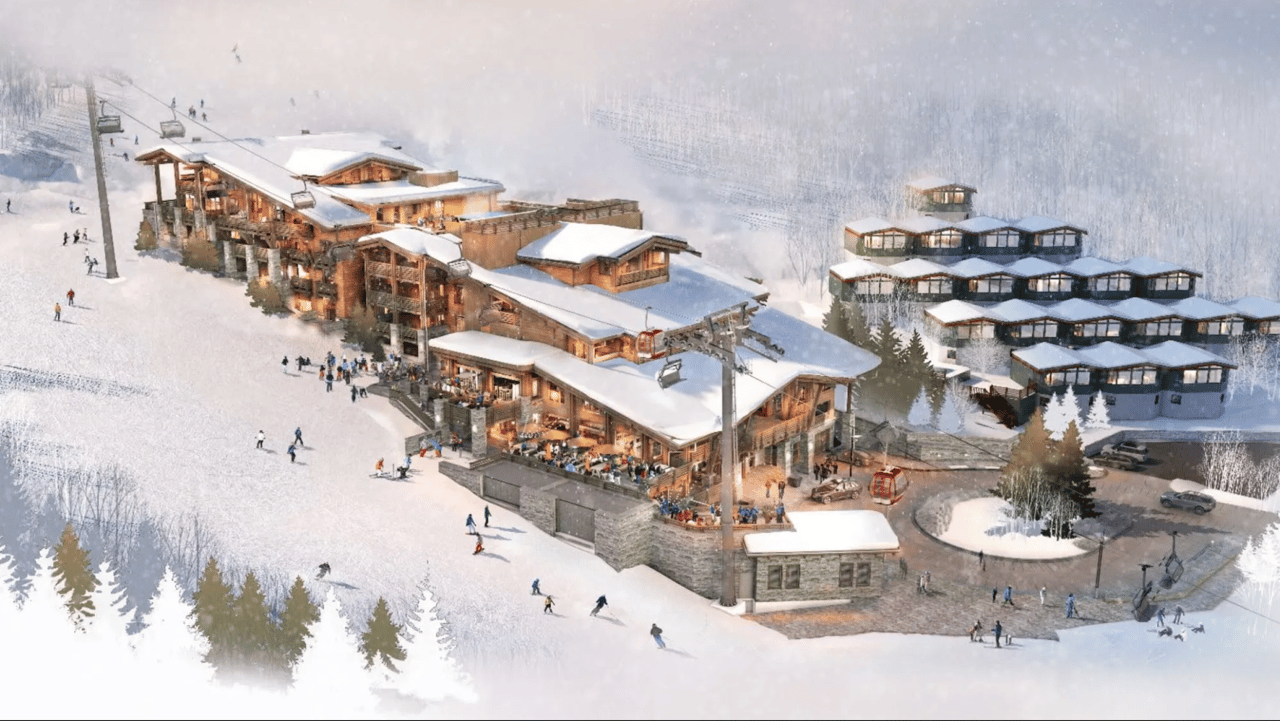
No longer simply the family alternative, Snowmass Village has evolved into a standalone luxury destination. The completed Base Village development brings world-class dining, members-only wellness, and direct slope access together in a single corridor. The single-family median reached $8.25 million in 2025, up 11% year over year. With 95% of properties offering ski-in/ski-out access across 3,332 acres, Snowmass offers more skiable terrain than any other area in the valley. Best for: Buyers open to the broader Roaring Fork Valley who want genuine ski access at a relative discount to Aspen core pricing.
What Does Life Actually Look Like Month to Month?
Aspen is not a one-season town, and the people who treat it like one miss most of what it offers.
Winter (December – March)
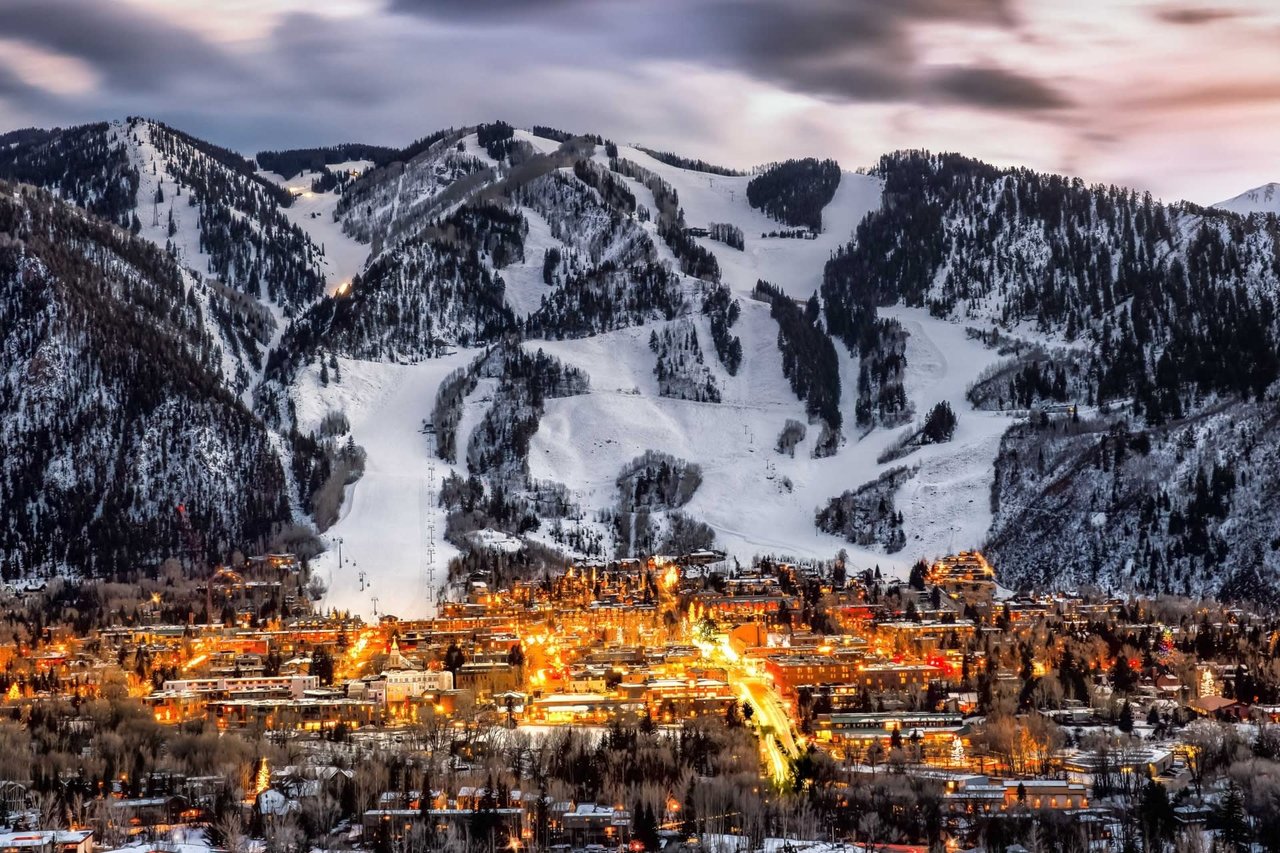
Winter is what most people picture: four world-class ski mountains, après-ski culture, a social calendar that runs seven days a week, and a restaurant scene that operates at full capacity. Aspen Mountain, locally referred to as Ajax, rises up directly from downtown, bringing a whole new meaning to ski-in/ski-out. Buttermilk Mountain, home of the Aspen X Games, is a kids' and beginners' paradise. Aspen Highlands boasts the legendary Highland Bowl, and Snowmass offers the largest acreage. What insiders know that visitors do not:
- The Ikon Pass covers all four Aspen Snowmass mountains
- Cloud Nine Alpine Bistro on Highlands is world-famous; the locals' preference is the Highlands Alehouse deck for post-hike drinks in the summer
- Make restaurant reservations three to six weeks in advance for peak weeks — Clark's Oyster Bar operates on a strict 30-day booking window
- The Aspen-Pitkin County Airport (ASE) is three miles from downtown, making long weekends logistically straightforward
Spring (April – May)
Hotels sometimes close for a few weeks during the spring and fall seasons. Locals call this shoulder season, and it is when the town belongs to its permanent residents. Prices drop, restaurants are quieter, and the transition from ski to hiking begins. Spring skiing on Aspen Highlands often runs into April with good conditions.
Summer (June – August)
Summer is Aspen's best-kept secret. Summertime boasts an events calendar that can rival any major city. The Aspen Music Festival and School puts on an impressive 400-plus event program from June through August. The Aspen Institute hosts signature programming such as the Ideas Festival and Security Forum, and Theatre Aspen's summer repertory features Broadway stars in an intimate theater in the park. The 2026 summer calendar specifically includes:
- The 43rd Food and Wine Classic at Wagner Park, June 19–21, 2026
- Aspen Ideas Festival in two back-to-back sessions, June 25 through July 1, 2026
- The Aspen Music Festival and School's 76th season, July 1 through August 23, 2026, with nearly 200 public events
- Snowmass Bike Park is open daily from June 21 through September 7, 2026
The Aspen Saturday Farmers' Market runs from early June through early October and has been a local tradition since 1998.
Fall (September – November)
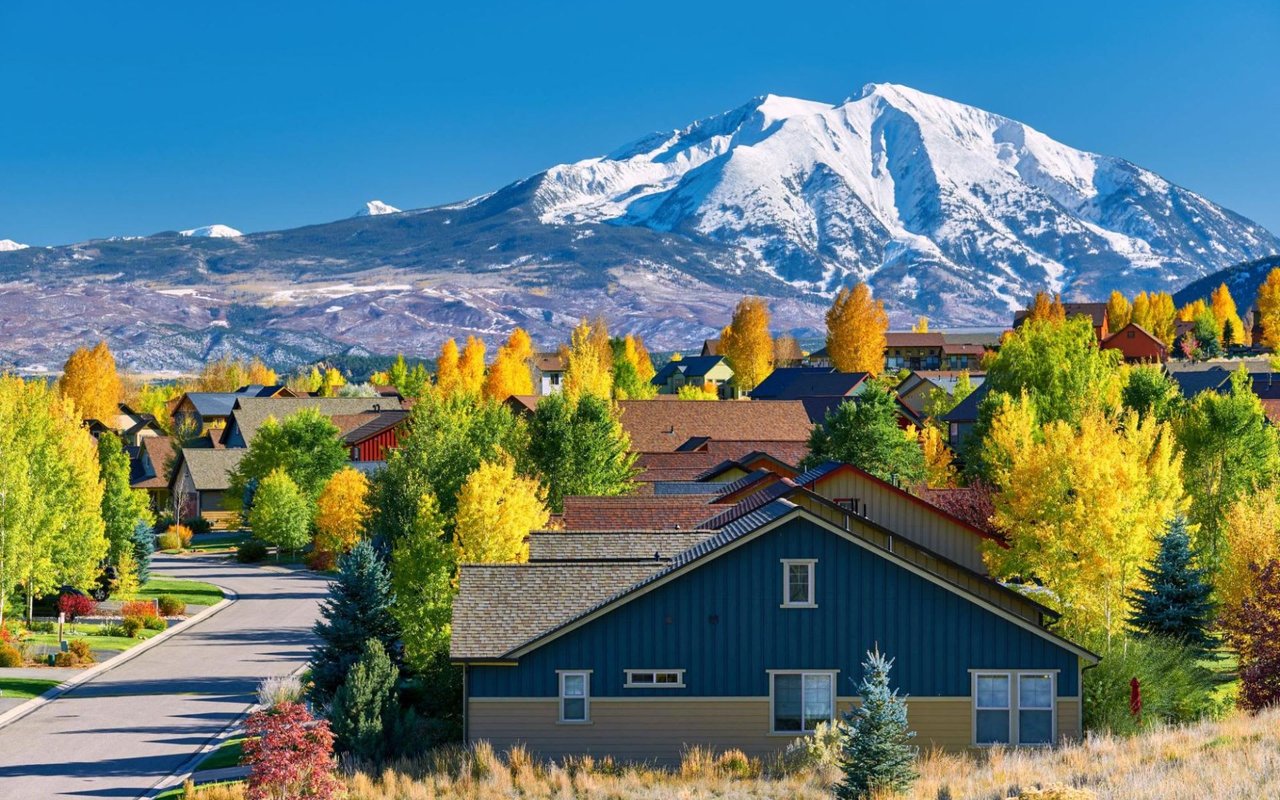
Fall is when the aspen trees turn gold, and the valley becomes one of the most photographically spectacular landscapes in the American West. Our namesake trees turn hues of gold, and the weather is ideal for myriad outdoor activities. Hiking Independence Pass before it closes for winter, fly fishing on the Roaring Fork River, and cycling the Rio Grande Trail without summer crowds are the activities that define fall in the valley.
Dining in Aspen
The dining scene operates in two registers: Destination restaurants (book weeks in advance):
- Bosq - Michelin star, foraged and hyper-local tasting menu, fills within days of reservation windows opening
- Matsuhisa Aspen — Nobu's original Colorado kitchen in a 120-year-old Victorian, operating since 1998
- PARC Aspen — French-Peruvian kitchen with a 1,300-label wine cellar and private dining for events
- Cache Cache — 37 years on Monarch Street; the wine list is unmatched outside hotel dining rooms
- Le Petit Trois Aspen — Chef Ludo Lefebvre's French bistro, the most significant 2026 opening
Local institutions (walk-in viable):
- Ajax Tavern at the gondola base — the champagne-and-truffle-fries après-ski ritual
- White House Tavern — set in a 19th-century miner's cottage, famous for sandwiches and its atmosphere
- West End Social — the neighborhood anchor the locals go to when they are not hosting
The dining scene punches far above the town's size, especially since the Michelin Guide arrived in Colorado. Budget approximately 30 to 40% above comparable urban restaurant pricing, plus 20% service and Colorado's approximately 4% sales tax.
Getting Around in Aspen
A car is useful in Aspen but far from essential if you live in the Core or West End. The transit infrastructure is genuinely excellent. The Roaring Fork Transportation Authority is one of the most heavily used rural transit networks in the US. Local shuttles inside Aspen are free, commuter buses run the length of the valley, and the VelociRFTA bus rapid transit line lets commuters skip highway traffic at peak hours. The Downtowner, an app-based on-demand electric cart service, will pick you up anywhere in the core. For second-home owners flying in:
- Aspen-Pitkin County Airport (ASE) is just three miles from downtown, served by United, Delta, and American Airlines with direct flights from Denver, Los Angeles, Chicago, and other major hubs
- Private traffic is heavy at ASE—the airport handles a high volume of general aviation
- Denver International Airport is approximately 200 miles away, a 3.5 to 4.5-hour drive depending on conditions
- The Rio Grande Trail connects Aspen to Basalt and beyond for cycling
E-bikes are common in Aspen and genuinely practical. The local insider move: e-bike the Rio Grande Trail downhill to the Woody Creek Tavern for lunch. It is almost entirely downhill, and arrange a van back to Aspen.
What Does It Cost to Own and Operate a Property in Aspen?
The purchase price is the beginning of the cost picture, not the end. Second-home owners and new residents should model these carrying costs before committing:
Property taxes
Colorado calculates property tax on assessed value rather than market price, and the two diverge significantly in Aspen. The residential assessment rate runs approximately 6.7% to 7.15% with local mill levies of roughly 40 to 50 mills. On a $10 million property, annual taxes typically run $25,000 to $35,000.
Real Estate Transfer Tax (RETT)
If the property sits within city limits, the buyer owes a 1.5% transfer tax on the gross price, split into two parts: a 0.5% Wheeler Opera House tax that funds the arts and a 1.0% housing tax that funds affordable housing (with the first $100,000 of price exempted). If the property sits in unincorporated Pitkin County like the upper Red Mountain, for instance, the RETT is 0%, which can mean a six-figure swing on the same purchase price.
Short-term rental costs
Starting in 2026, Aspen's aggregate nightly tax burden is 17.35% for owner-occupied or lodge-exempt STRs and 22.35% for classic second-home STRs. The city also lists a $150 annual STR business license, annual permit fees of $148 for STR-LE and $394 for STR-C and STR-OO, and monthly tax filings for STR business licensees.
Seasonal maintenance
Mountain ownership has recurring operational costs that urban ownership does not. This includes:
- Snow removal for drives and walkways
- Winterization and HVAC servicing
- Roof and gutter maintenance for snow loads
- Wildfire defensible-space work around the property
- Contractor lead times in Aspen stretch significantly before winter and during peak seasons, so you need to book early
Insurance
Colorado's insurance market reflects wildfire and severe weather risk. In higher-risk zones, carriers may scrutinize coverage more closely, and premiums can be higher. Budget time to get quotes during the contingency period rather than after closing. Request the Off-Market List | List Your Home with Ksenia | Book a Consultation
Schools, Healthcare, and Community Infrastructure
Aspen's infrastructure for a town its size is exceptional. This is a direct result of the wealth concentration that has driven investment in public services over decades. Schools: Aspen is home to highly rated public and private schools. The Aspen School District runs the public schools, including Aspen Elementary, Aspen Middle, and Aspen High Schools. There are also several private options like Aspen Country Day School and Aspen Community School. Aspen High School graduates regularly attend Ivy League and other top-ranked universities. Healthcare: Aspen Valley Hospital is the primary healthcare facility, serving both the local community and the valley's seasonal population. For specialized care, Vail Health and major medical centers in Denver are accessible via ASE direct flights. Community institutions: The depth of intellectual and civic life in Aspen is something that surprises most new residents. The Aspen Institute is a global policy and leadership center that runs year-round programming. The Aspen Center for Environmental Studies offers nature programs, guided hikes, and a birding club. The Wheeler Opera House, built in 1889, hosts concerts, film screenings, and lectures.
Things Insiders Know That Visitors Do Not
These are the details that take most people years to discover:
- Maroon Bells requires reservations. Parking or shuttle access must be booked in advance through aspenchamber.org. Show up without a reservation, and you will be turned away.
- The Aspen Farmers' Market on Saturday mornings has been a local tradition since 1998 and is one of the best places to meet full-time residents.
- Belly Up Aspen is a 450-capacity intimate venue that consistently books artists who feel too big for the space. It has been a downtown staple since 2005.
- Two new boutique hotels opened in late 2025 and early 2026: White Elephant Aspen (opened February 3, 2026) and MOLLIE Aspen (opened December 2025), both on the Main Street corner of the West End.
- The Little Nell completed a full spa renovation in 2026, and Aspen Meadows Resort added barrel saunas overlooking panoramic mountain views.
- Independence Pass closes for winter, so the window to drive it before the season ends is narrow. It is one of the most dramatic drives in Colorado.
- Wildfire defensible-space work is not optional in this market—insurance carriers increasingly require it, and it is better addressed before ownership than after.
What Second-Home Owners Get Wrong in the First Year
These are the most common missteps among buyers who are new to Aspen ownership:
- Underestimating contractor lead times. Renovation and maintenance work in Aspen requires planning. Booking in summer for winter prep is not early enough for complex projects.
- Missing the STR permit deadline. Short-term rental permits are non-transferable upon sale, and new applicants may face waitlists in certain zones. The permit question needs to be resolved before the offer is written, not after closing.
- Skipping shoulder seasons. Fall and spring in Aspen are genuinely different experiences that many second-home owners never access because they time their visits around ski season only.
- Ignoring Snowmass Village. Many Aspen-focused buyers never explore Snowmass, which now offers a world-class Base Village, the largest ski terrain in the valley, and meaningful price appreciation in its own right.
- Pricing a renovation incorrectly. Historic designation, design review requirements, and the city's permitting timeline add significant time and cost to any meaningful exterior work. Budget accordingly, and engage a local architect who knows the review process before committing to a scope.
Ready to Make Aspen Home?
Are you settling in as a full-time resident, maximizing your time as a second-home owner, or still evaluating where in the valley to plant roots? The right property makes everything else work better. Ksenia Tyutrina works exclusively in Aspen's $10M+ segment, with access to properties that never reach public listings and the neighborhood-level knowledge that comes from years of transacting in this specific market. The conversation about where you belong in Aspen starts here. Explore Aspen luxury real estate | Browse Aspen homes for sale | About Ksenia Tyutrina
Frequently Asked Questions
What is it like to live in Aspen full-time?
Life in Aspen as a full-time resident is shaped by the four-season rhythm of the valley, a close-knit community of approximately 7,000 people, and access to world-class outdoor recreation, cultural programming, and dining that is extraordinary for a town of its size. The trade-off is cost — housing, groceries, healthcare, and services all carry a premium that reflects Aspen's status as a global resort market.
What is the best neighborhood in Aspen for a second home?
The Central Core offers the most walkability and social access for second-home owners who want to be in the center of things. The West End suits owners who want cultural proximity and a quieter residential feel. Red Mountain is for buyers who prioritize privacy, views, and estate-scale living above everything else.
Do I need a car in Aspen?
Not necessarily. The RFTA transit system, free local shuttles, the app-based Downtowner electric cart service, and the extreme walkability of the Core and West End make car-free living genuinely practical for residents in those neighborhoods. Owners in East Aspen, Red Mountain, or Snowmass will benefit from a vehicle.