If you are shopping for a $10 million property in Aspen, the headline market data is only part of the picture. National luxury real estate reports will tell you the market is strong. Local brokers will tell you inventory is tight. Both are true. Neither tells you what the trends actually mean for a buyer at your price point in 2026.
That is the gap this article addresses. We’ll discuss seven trends that are actively shaping Aspen’s $10M+ segment right now, where each one is heading, and what it means for how you engage with this market.
Trend 1: The $20M+ Segment Has Become the Market’s Center of Gravity
Three years ago, a sale above $20 million was noteworthy. In 2025, it became the norm.
Aspen recorded 42 transactions above $20 million in 2025, up 62% from 26 in 2024. That segment alone accounted for 57% of the total combined Aspen and Snowmass dollar volume for the year.
In 2025, Aspen also recorded 12 sales at a price per square foot above $6,000, including four above $7,000 per square foot. One year earlier, there was a single transaction above $7,000 per square foot.
What this means for $10M+ buyers: the $10 million to $15 million range, which once placed you firmly in the top tier of the Aspen market, now represents the entry point to serious consideration. Properties in this range are still in high demand, but they are competing for buyer attention with a segment above them that has grown dramatically in both volume and price.
Trend 2: The Compound Mentality Is Reshaping Demand at the Top End
One of the most significant behavioral shifts in Aspen’s $10M+ segment is how buyers are structuring their acquisitions. The single-home purchase is no longer the dominant model at the highest price points.
Some describe this as the “billionaire effect”: very wealthy buyers entering the Aspen market with a compound mentality, interested in purchasing two adjacent lots, condos for staff, commercial buildings, and more. “It does affect the psychology of the market.”
The practical effect of this trend is meaningful for anyone competing in the same submarkets. When a buyer acquires a primary estate and two adjacent parcels simultaneously, they remove inventory from three different product categories at once. In a market already running 40% below pre-pandemic inventory levels, that compression accelerates.
For buyers thinking about a single acquisition, the compound mentality trend creates both a challenge and an opportunity. The challenge is that estate-scale lots in Red Mountain and the West End are increasingly held by buyers who have no motivation to sell.
Trend 3: Buyer Expectations at $10M+ Have Narrowed Significantly
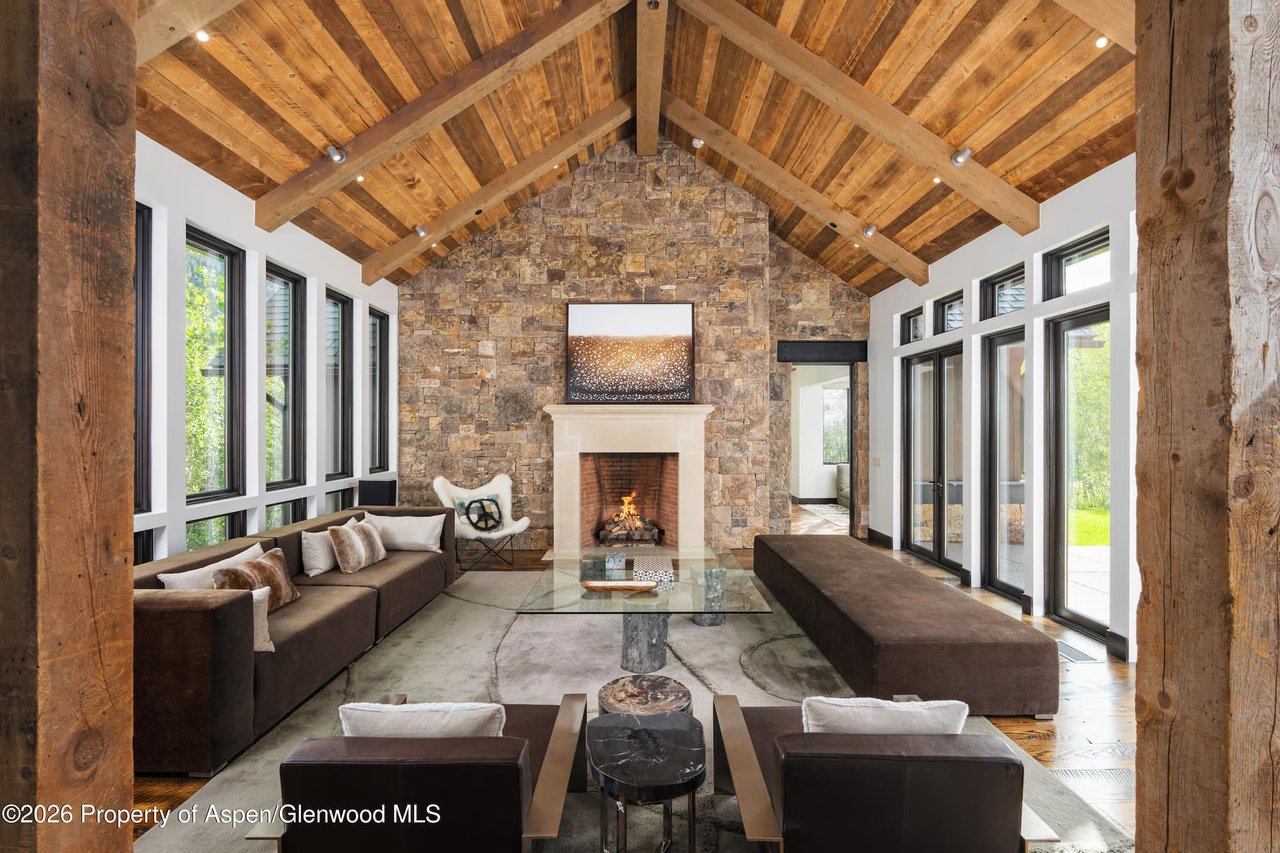
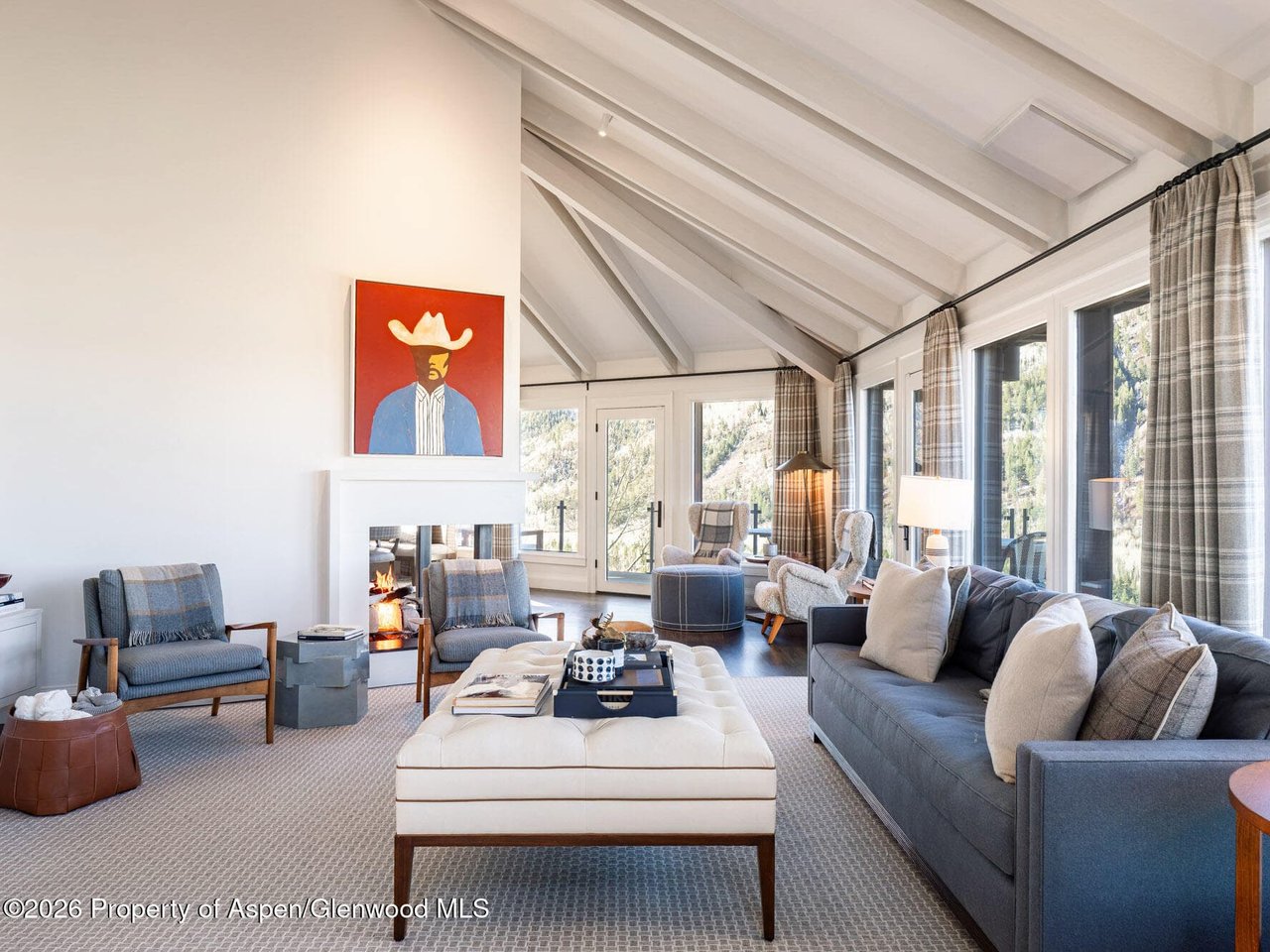
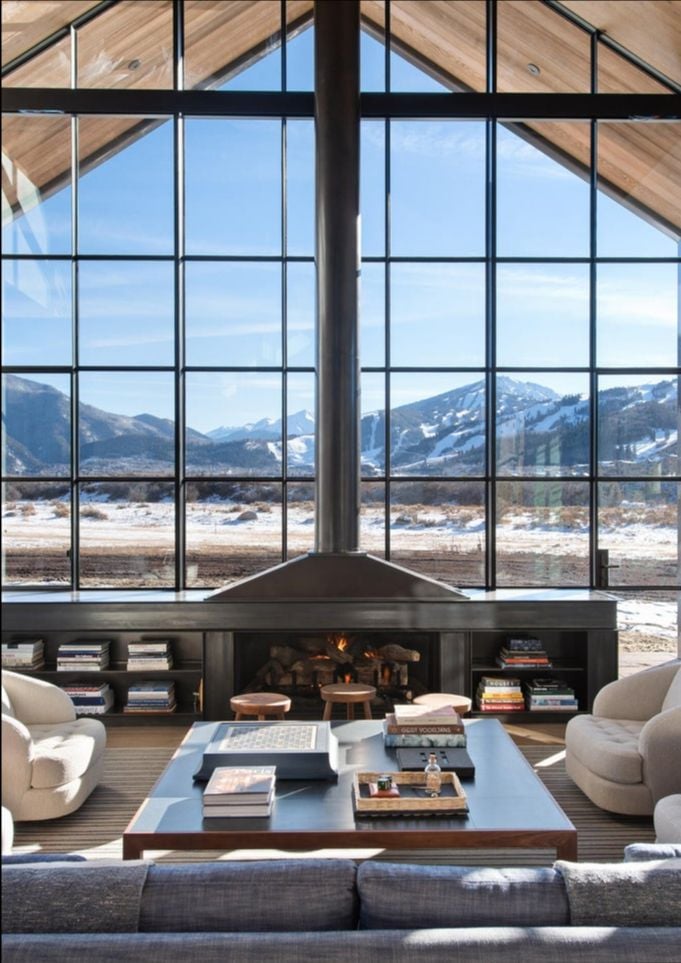
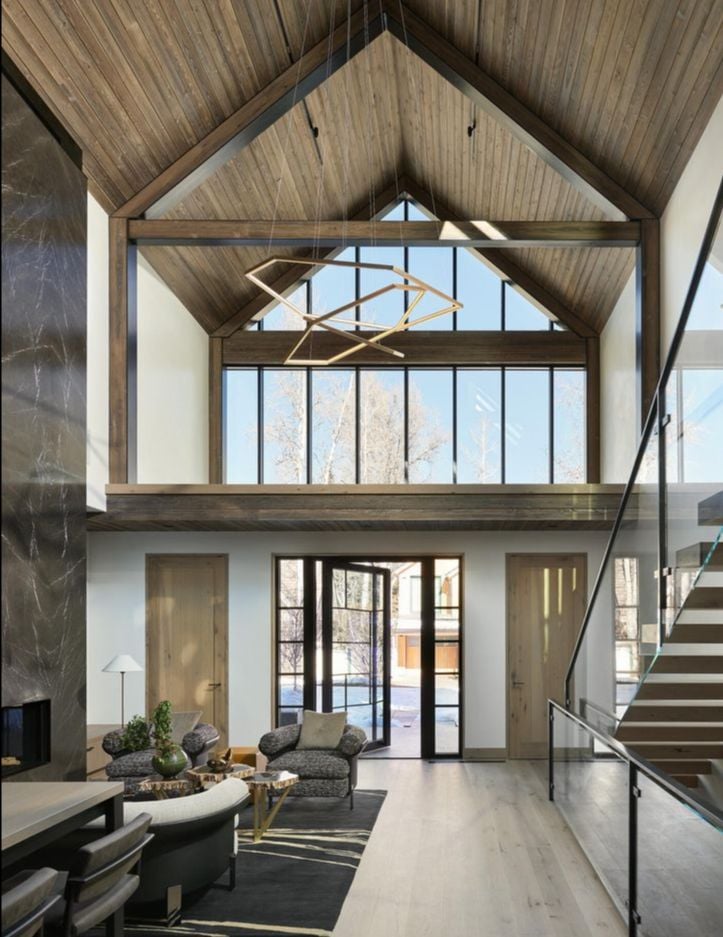
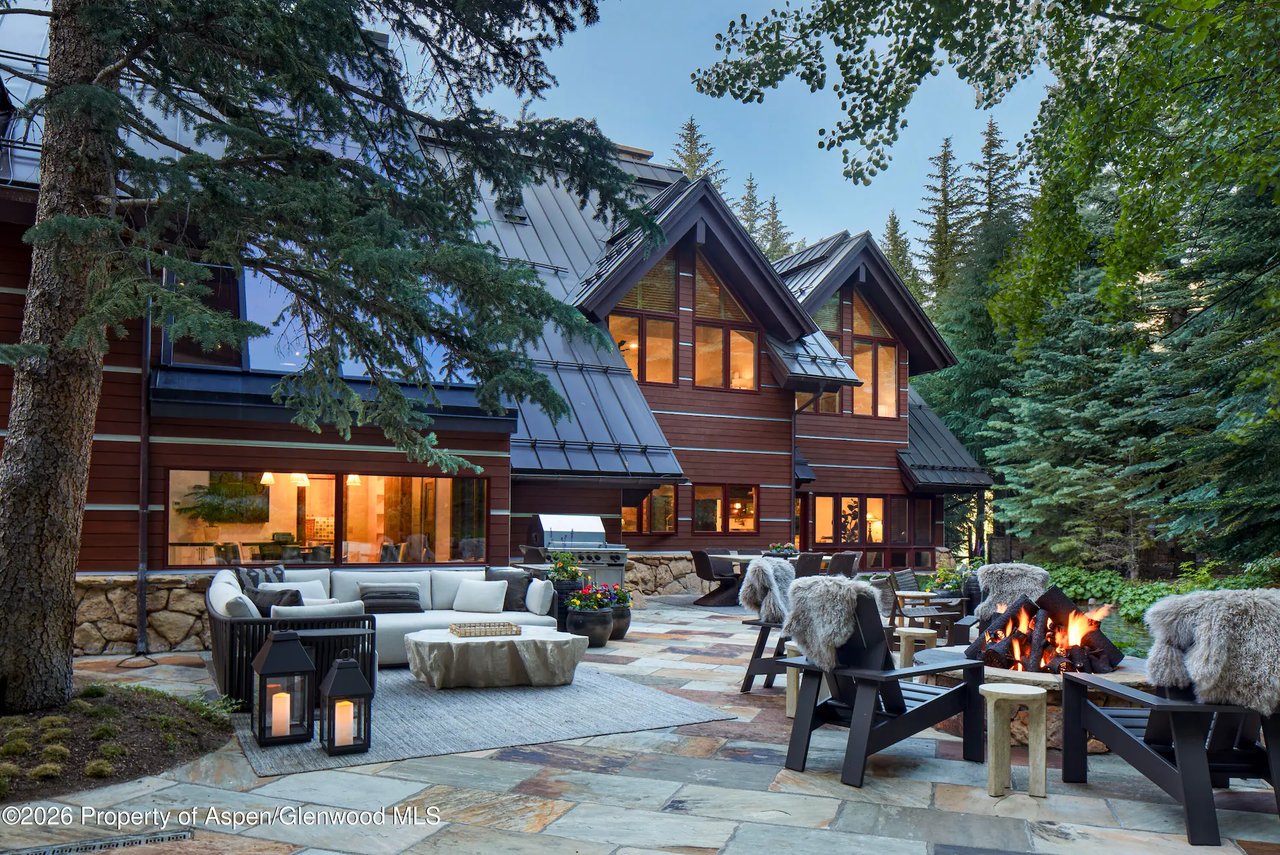
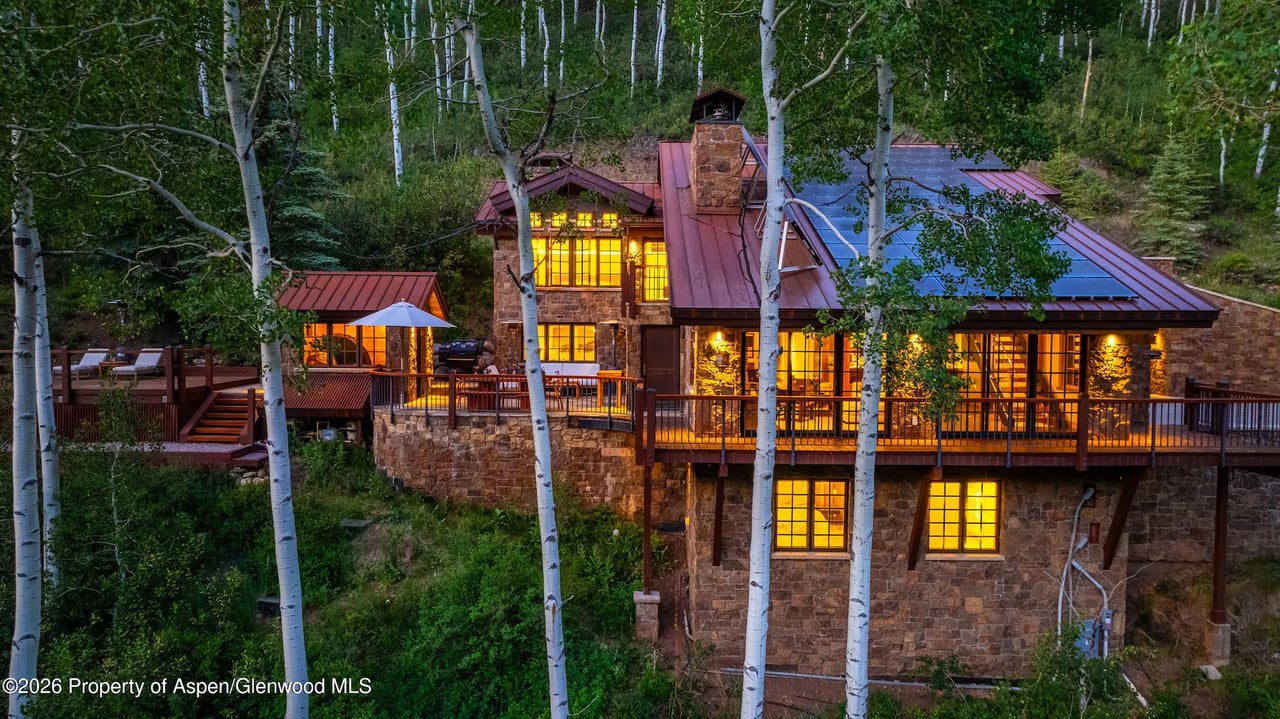
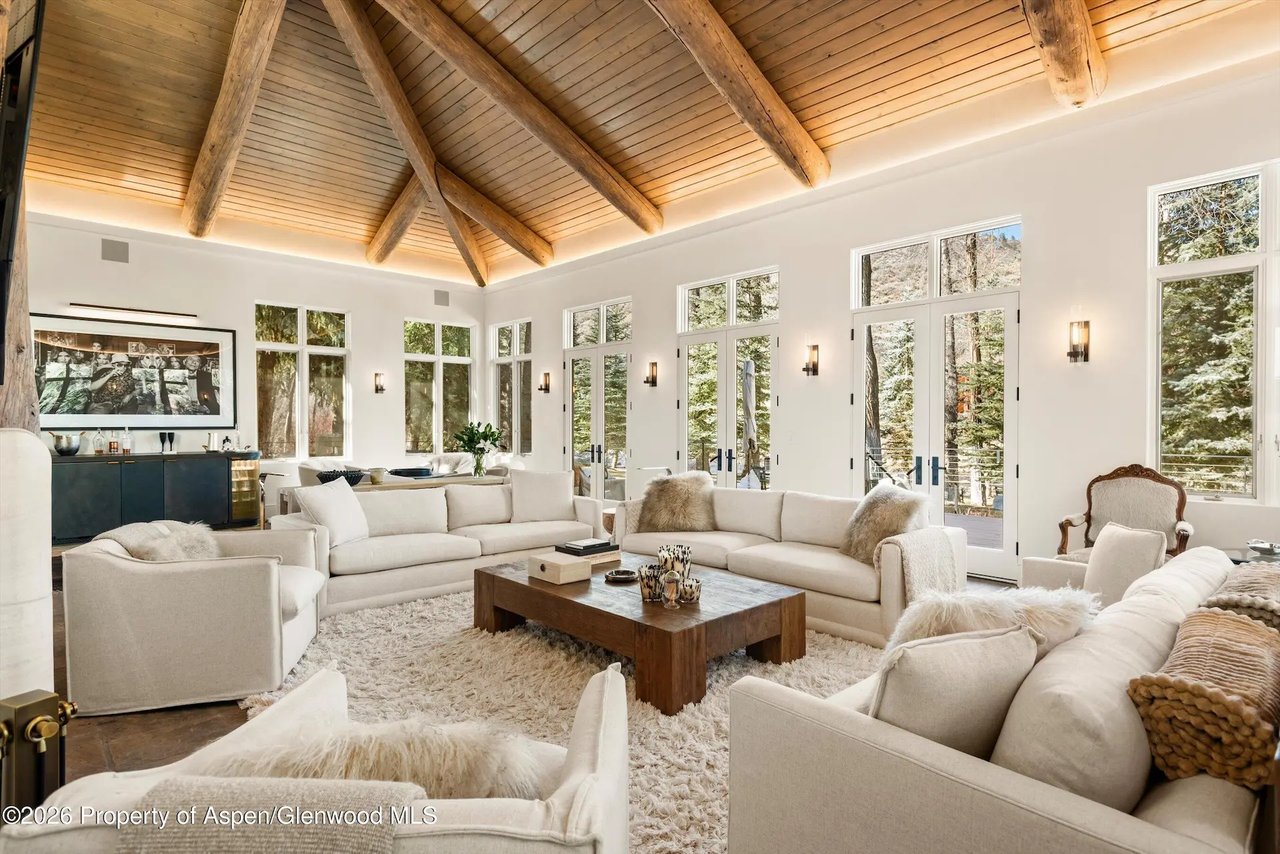
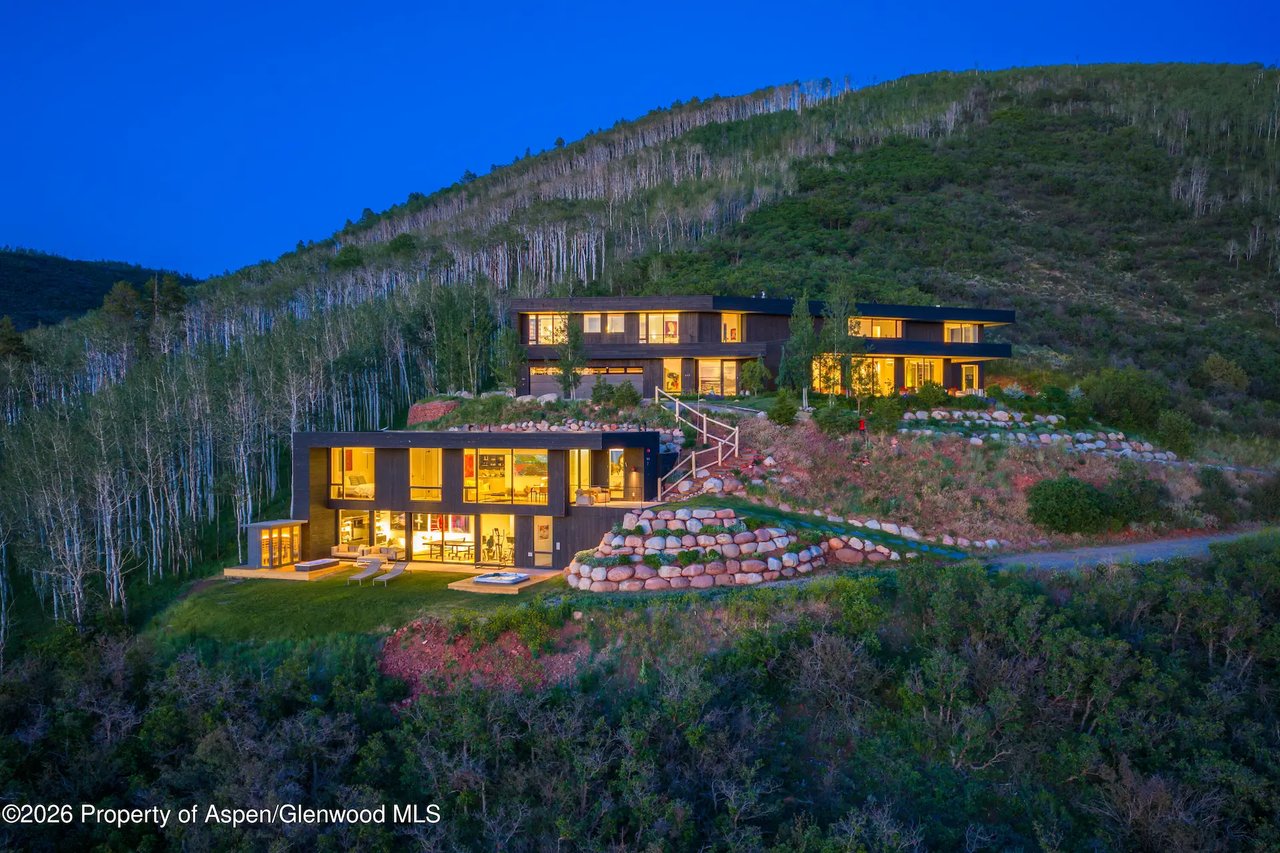
Buyers in the $10M+ segment are looking for turnkey properties with exceptional architecture, strong design identity, advanced technology, seamless indoor-outdoor living, and elevated wellness features such as spas, gyms, saunas, and cold plunges. Privacy is also a major priority, with many buyers focused on larger parcels, protected views, and homes with limited neighboring impact.
This narrowing of expectations has a direct consequence: the number of homes that genuinely check every box for a $20 million-plus buyer remains limited, which makes truly standout inventory even more valuable.
For buyers, this trend has two implications. First, properties that meet the full checklist are trading at premiums over comparable properties that fall short on any single dimension. Second, properties that require significant renovation are seeing longer days on market because the buyer willing to manage a complex Aspen build is increasingly rare at this price point.
Trend 4: Prices Have Held. Volume Has Not
The Q1 2026 volume decline attracted significant attention, with March 2026 closings falling 50% compared to March 2025. It is worth being precise about what that number actually means.
Some realtors noted that sellers in Aspen have staying power. They have the resources where they are not desperate to sell and are unlikely to reduce prices significantly even as buyers enter a more wait-and-see mode.
The data confirms this. The single most important thing to understand about Aspen luxury real estate in 2026 is that prices did not fall. Aspen closed 2025 with values holding firm; the median home price sits above $13 million, and the price per square foot in prime locations remains well above $4,000.
Trend 5: The West End Is Quietly Becoming Aspen’s Most Compelling Value Play
The West End has quietly become Aspen’s sharpest value play at the top end, with average prices rising from around $11 million in 2024 to over $13 million in 2025, driven by buyers seeking proximity to the mountain lifestyle.
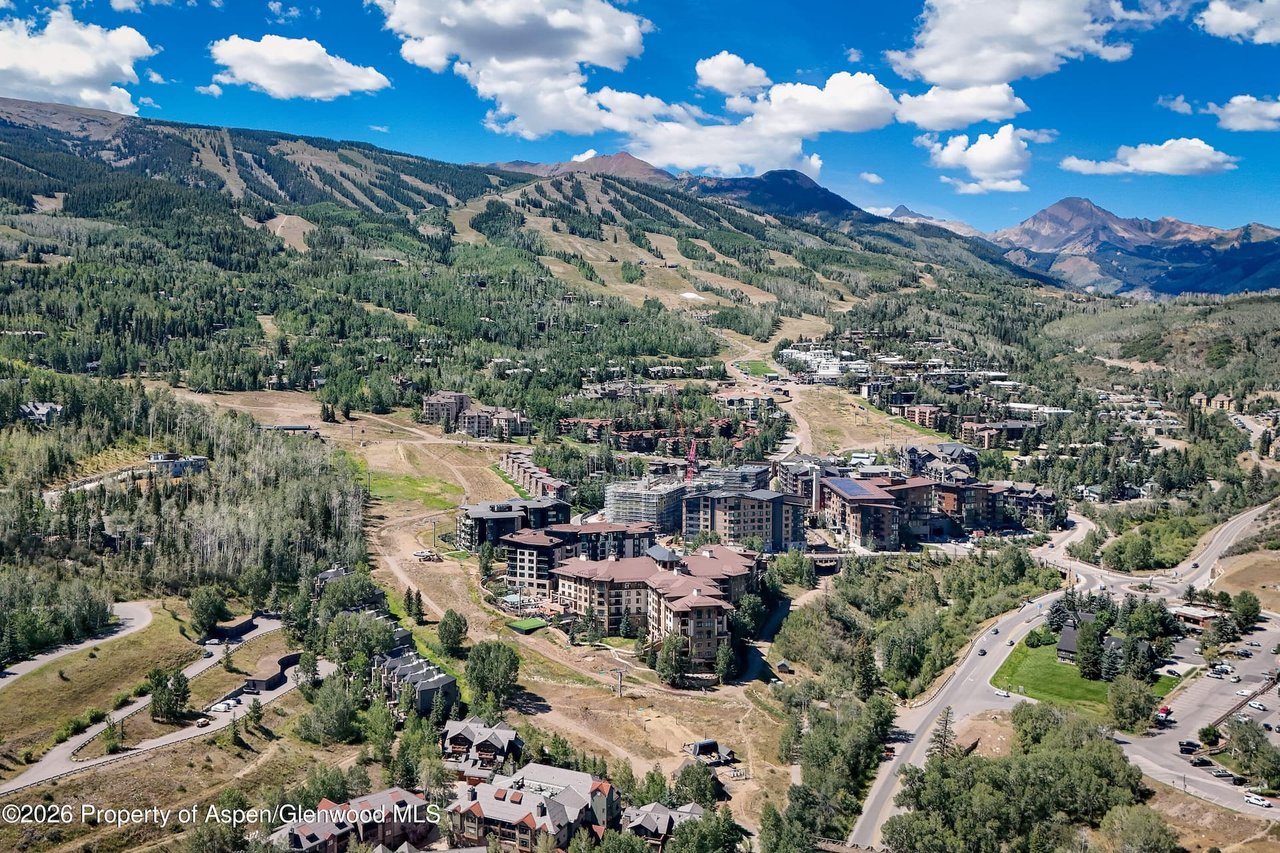
Known for its historic homes, tree-lined streets, and proximity to the Aspen Institute and the Michael Klein Music Tent, the West End continues to attract buyers seeking architectural character and a residential feel within walking or biking distance of downtown. It remains one of Aspen’s most charming and consistently desirable neighborhoods.
Trend 6: Savills Has Ranked Aspen the World’s Top Ski Destination for Five Consecutive Years
Global brand positioning is not a soft metric in a market where over 70% of buyers are paying cash, and many are international. It drives demand from buyer pools that Aspen’s domestic broker community does not directly see until they are already at the table.
The Savills Ski Report ranked Aspen as the world’s leading ski destination for the fifth consecutive year, citing its blend of mountain infrastructure, cultural cachet, and ultra-luxury lifestyle.
This ranking matters for $10M+ buyers for two reasons. First, it sustains international buyer demand from Europe, Asia, and the Middle East — demand that is priced in cash and largely immune to US macro conditions. Second, it means Aspen competes for the same buyer attention as Monaco, St. Moritz, and Courchevel.
When global ultra-high-net-worth buyers are allocating real estate across multiple countries, Aspen is on that shortlist. That buyer profile is growing, not shrinking.
Trend 7: The Under-Contract Pipeline Signals a Stronger Second Half of 2026
While March 2026 closed transactions fell 50% year over year, the number of properties going under contract in the same month doubled from 14 to 28. That gap between under-contract activity and closed sales reflects the time lag between decision and closing in a market that moves deliberately. It also reflects the macro uncertainty that has kept some buyers in extended due diligence rather than at the closing table.
Total pending volume across Aspen and Old Snowmass stands at $1.1 billion, up from $898 million in September 2024, a strong forward indicator that committed buyer capital is in the pipeline even if closings have softened.
Explore Aspen luxury real estate | Browse Aspen homes for sale
What These Trends Mean If You Are a Buyer in the $10M+ Segment Right Now
Taken together, the seven trends above point to a market that is more nuanced than either the pessimistic Q1 headlines or the bullish 2025 narrative suggests.
Prices are holding, seller motivation is low, and buyer expectations have narrowed. The under-contract pipeline is building. And the most compelling properties are not appearing on the MLS.
The market rewards preparation and relationships. Buyers who were ready to act when the right opportunity surfaced were not rushed, but they moved when it mattered.
That is exactly the posture the current moment calls for. Engage before the pipeline converts. Establish the broker relationship that gives you access to what is not publicly listed. Know your criteria clearly enough that when the right property surfaces, the decision can move quickly.
Ksenia Tyutrina works exclusively in Aspen’s $10M+ segment, with active relationships across the seller network that defines this market. Her off-market list is not a newsletter—it is a curated starting point for serious buyers who are ready to transact when the right property arrives.
Start the Right Conversation Before the Window Closes!
The trends shaping Aspen’s $10M+ segment in 2026 are moving in one direction: toward a second half of the year with more buyer competition, a tighter under-contract pipeline, and less room for the thoughtful engagement that the current moment allows.
Buyers who understand what the data is actually showing, not just the headline decline in Q1 closings, but the doubled under-contract count, the holding prices, and the building pipeline, are the ones positioned to move decisively when the right property arrives.
Ksenia Tyutrina has spent years building the seller relationships and off-market network that give serious buyers in Aspen’s $10M+ segment access to properties that never appear publicly. If you are evaluating this market and want to understand what is actually available, the conversation starts here.
Request the Off-Market List | Book a Consultation with Ksenia
Frequently Asked Questions
What are the biggest trends in Aspen real estate in 2026?
The defining trends in Aspen’s $10M+ segment in 2026 are the rise of the compound mentality buyer, the narrowing of buyer expectations toward fully turnkey properties, price stability despite lower transaction volume, the West End’s emergence as a value-relative entry point, and a building under-contract pipeline that suggests a stronger second half of the year.
Are Aspen home prices dropping in 2026?
No. Despite a significant decline in Q1 2026 transaction volume, prices have held firm. The median home price sits above $13 million, and the price per square foot in prime locations remains above $4,000. Sellers in Aspen’s top segment have the financial staying power to wait for the right buyer rather than reduce pricing, which structurally limits downside in a cash-majority market.
Why is transaction volume down in Q1 2026 if prices are holding?
Three factors converged in Q1 2026: a historically poor ski season suppressed early-year buyer energy, broad macroeconomic uncertainty kept some high-net-worth buyers in a wait-and-see posture, and Q1 2025 was an exceptionally strong comparison base. The under-contract count in March 2026 doubled year over year, suggesting that buyer intent remains intact even if closed sales have lagged.