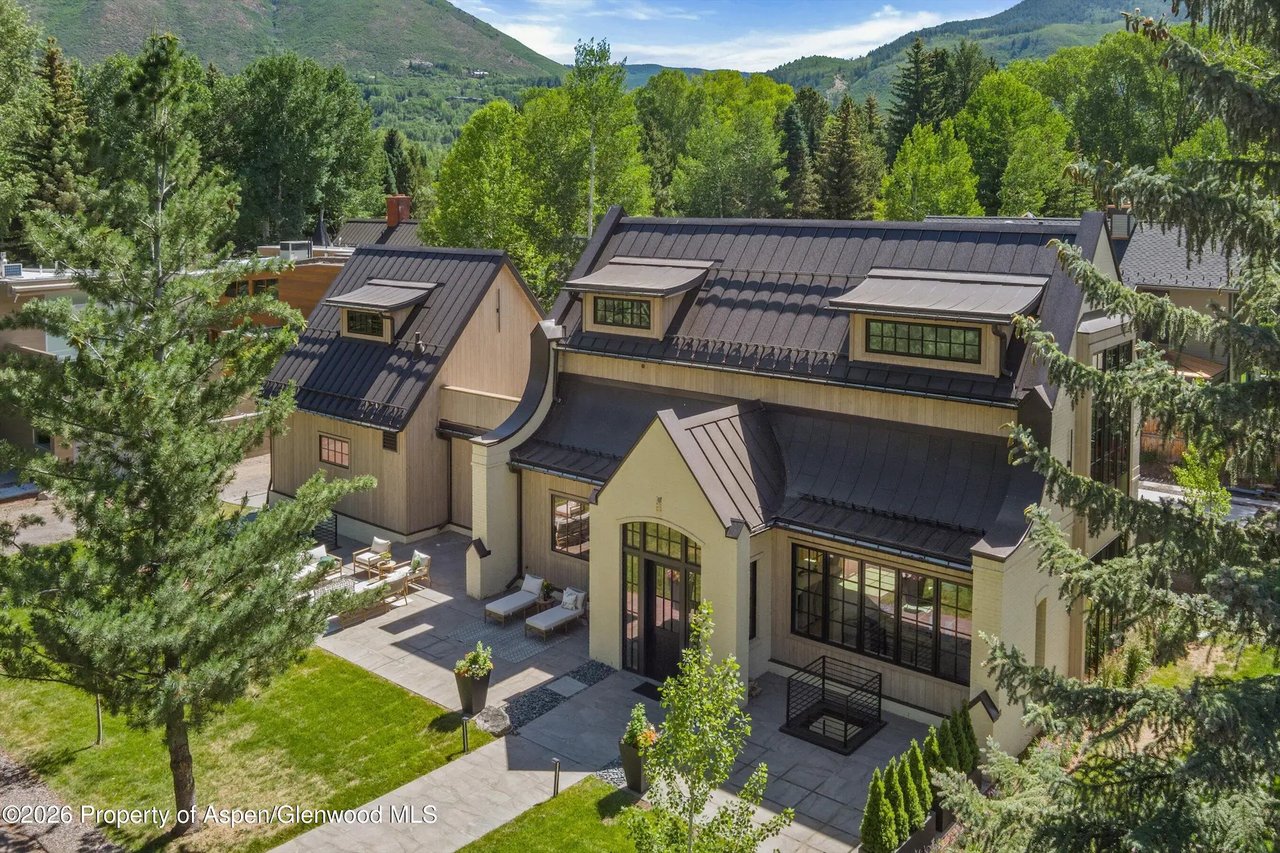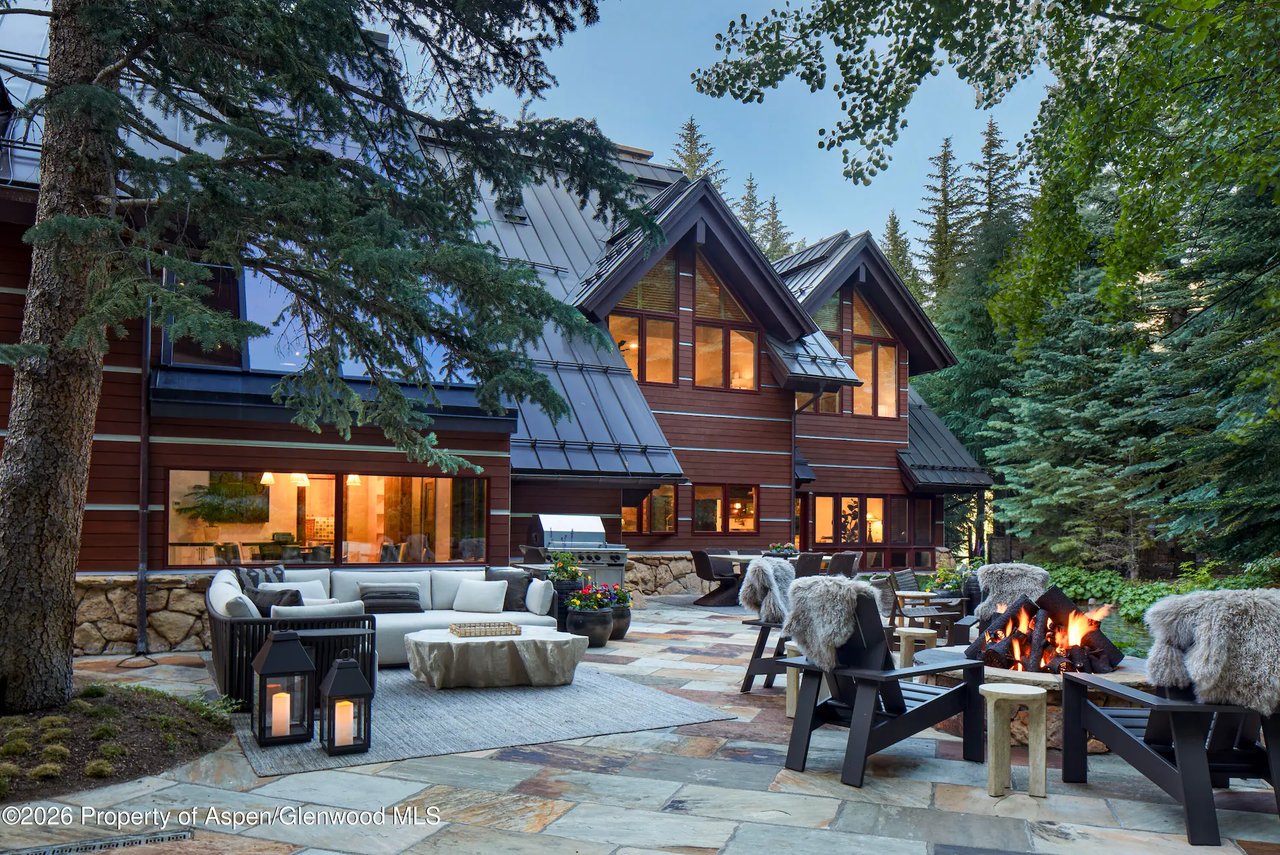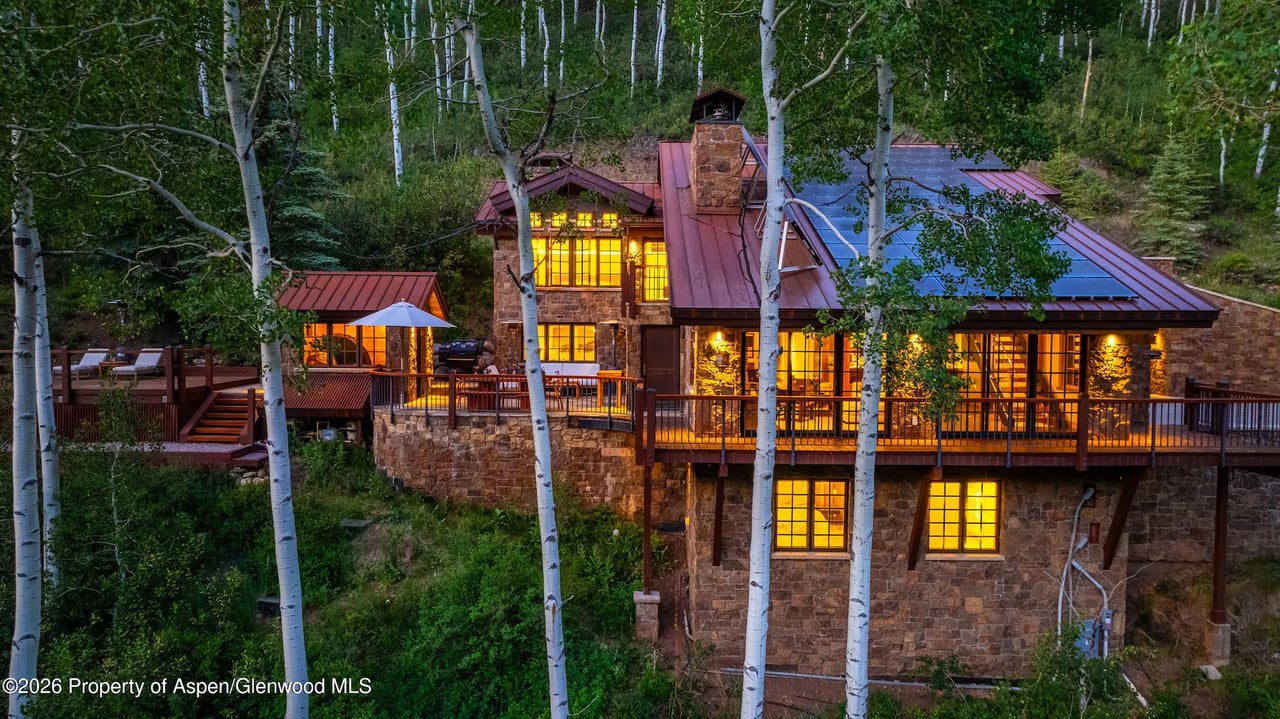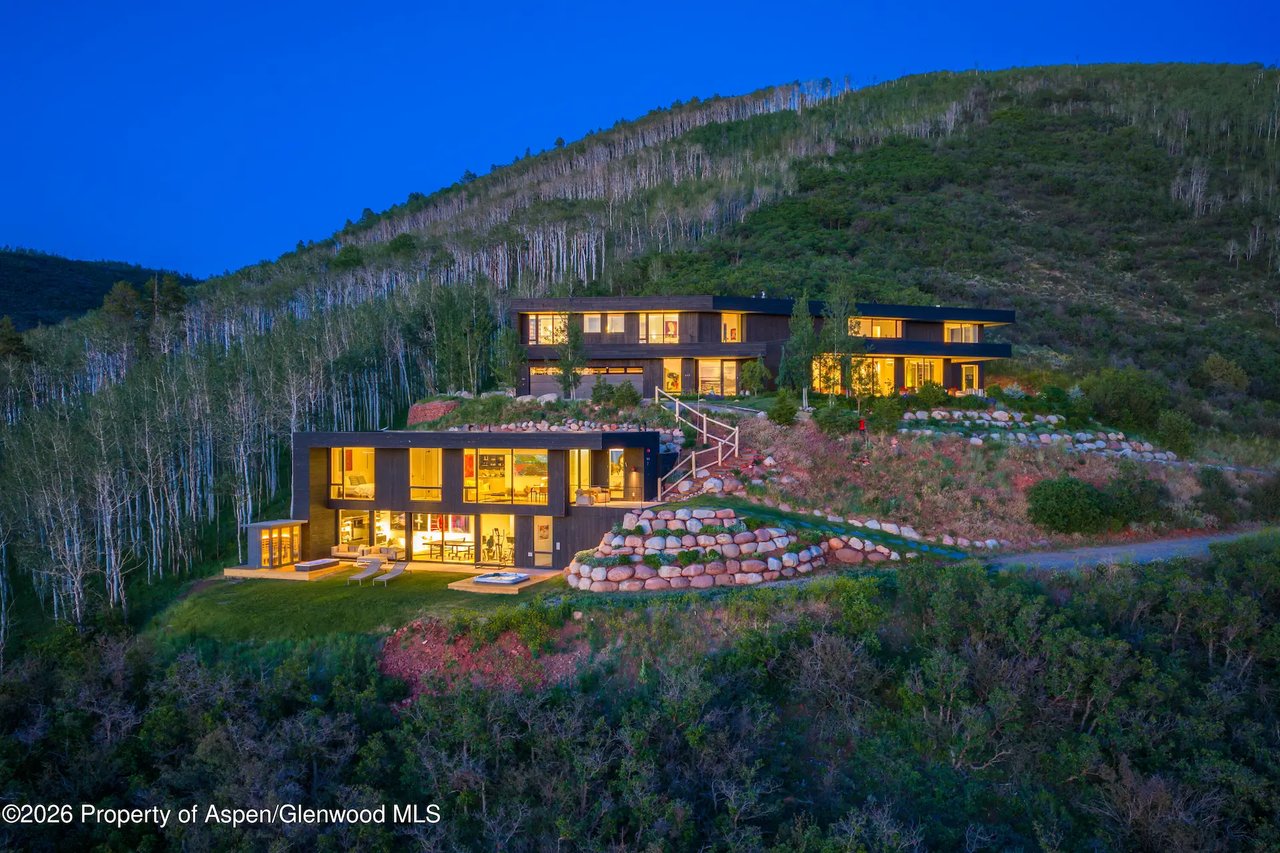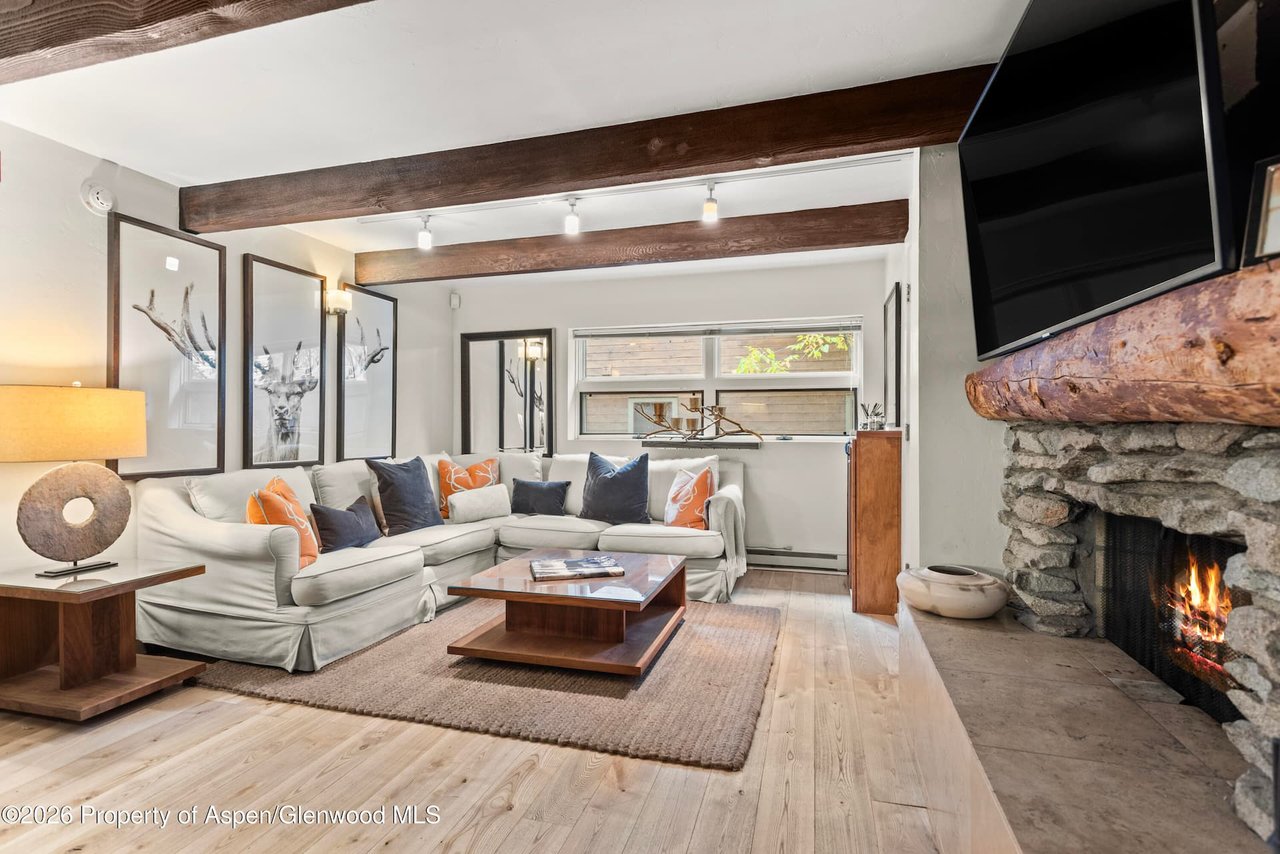
Buying a home in Aspen is less about complexity and more about knowing what makes the market different. The transaction follows many of the same steps as any real estate purchase, but Aspen’s luxury market comes with its own considerations, from financing and due diligence to transfer taxes, short-term rental permits, and access to off-market properties. A misstep can mean losing out on a property, paying more than necessary at closing, or taking on an issue that careful due diligence could have uncovered. This guide walks you through the home-buying process step by step, with a focus on the considerations that matter most when purchasing a $10 million-plus property in Aspen.
Step 1: Define What You Are Actually Looking For
The Aspen market does not reward vague criteria. Inventory is tight, the best properties move through off-market channels, and the window to act on any given opportunity is shorter than buyers expect. Before engaging a broker, get specific on:
Property type
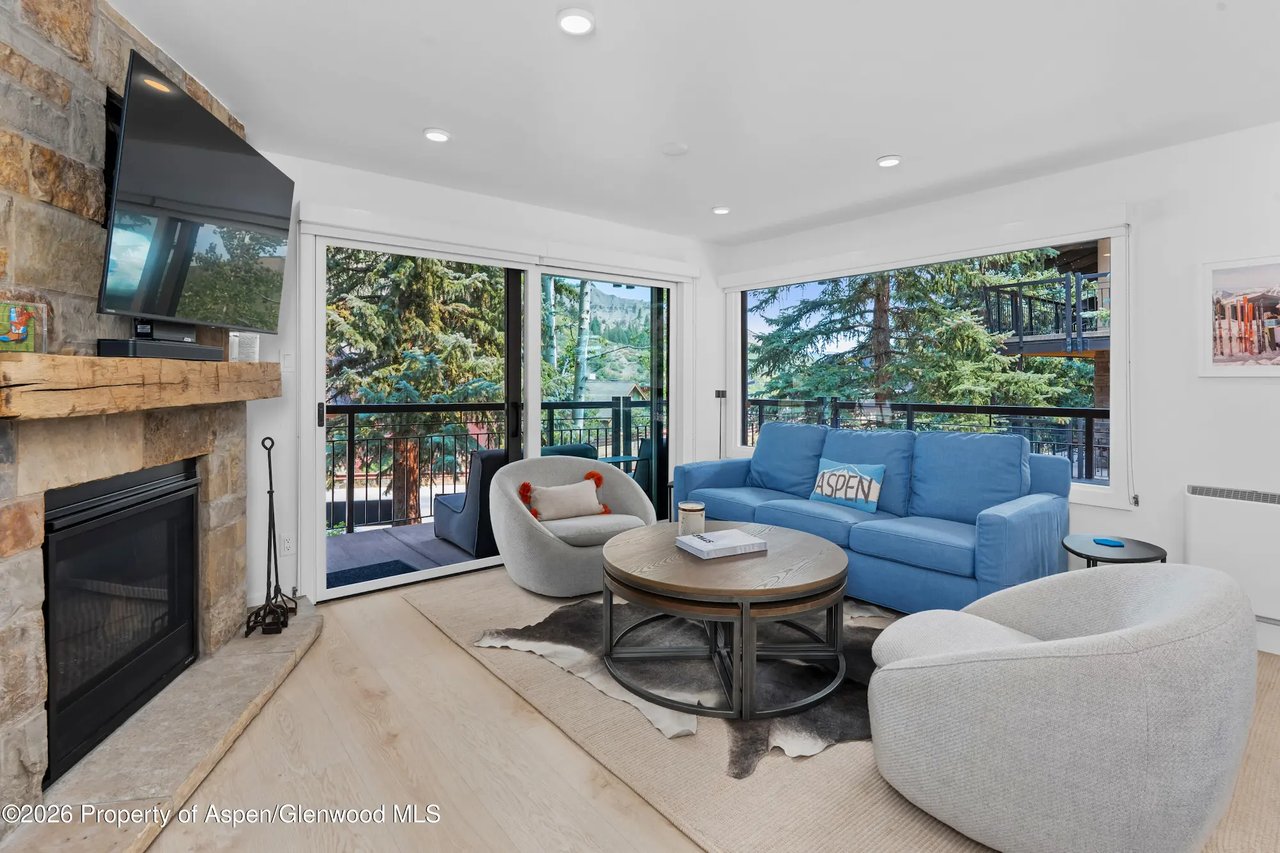
Are you looking for a single-family estate, condo in a lodge-zoned building, townhome, or fractional ownership? Each has different pricing, carrying costs, STR eligibility, and renovation constraints.
Neighborhood
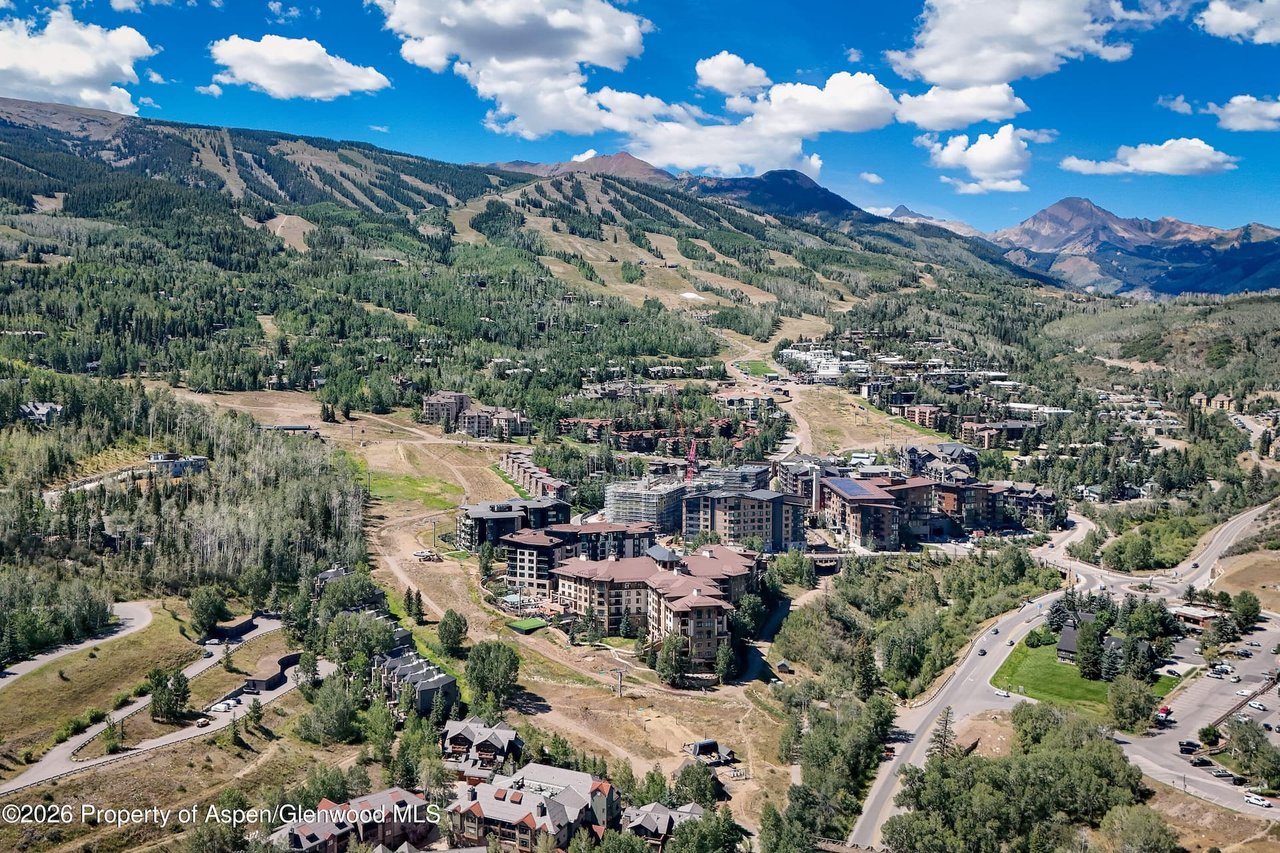
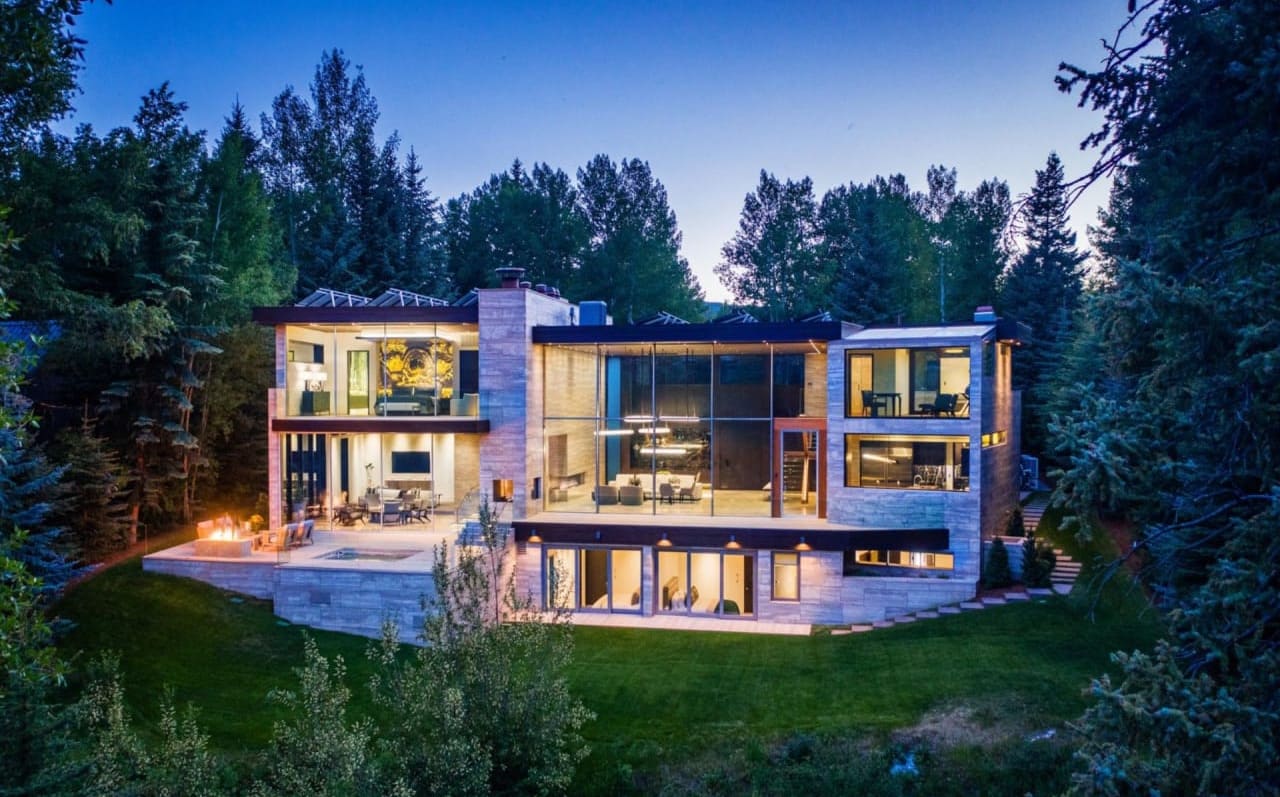
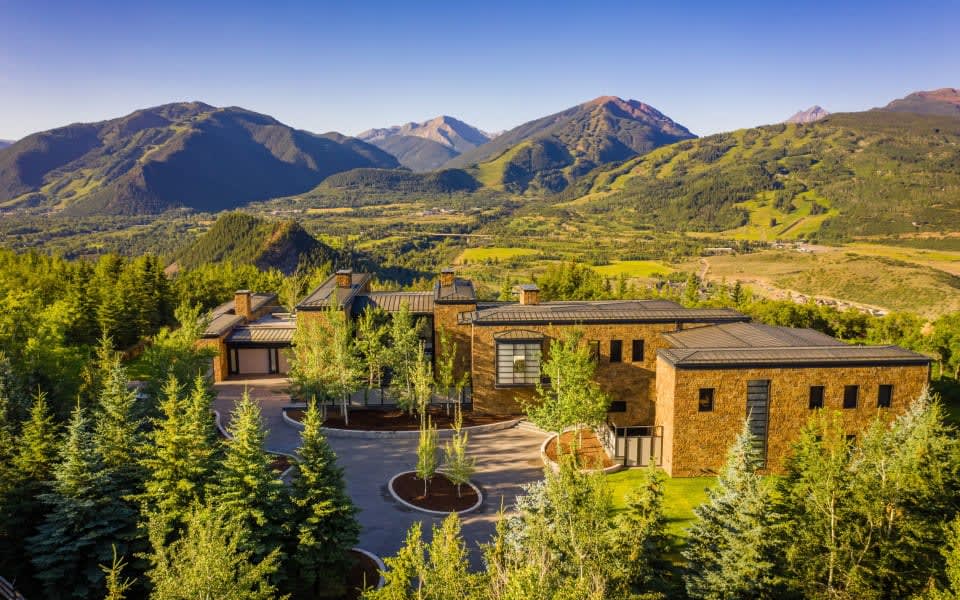
Red Mountain, the West End, Central Core, East Aspen, and Snowmass Village each offer a fundamentally different lifestyle and price range. The right choice depends on what matters most to you, whether that is privacy, walkability, ski access, larger lots, or value outside the core.
Intended use
Do you want a full-time residence, a second home, rental income property, or long-term hold? This shapes which properties make financial sense and which do not.
Renovation tolerance
Aspen remodels take 12 to 18 months. New construction takes four to five years. A property requiring significant work needs to be priced to reflect that timeline, and you need to be prepared to carry it through the process.
Hold horizon
Aspen rewards long-term ownership. Buyers with a five-year or longer horizon have significantly more flexibility on entry timing than those who may need to sell within two to three years. Defining your priorities upfront will help streamline your search but also ensure you do not overlook important factors when considering properties.
Step 2: Understand How Aspen's Market Actually Works
More than 70% of transactions in Aspen close in cash. Cash buyers move faster, negotiate from a position of strength, and are taken more seriously by sellers who are in no hurry to transact. Financed buyers are not excluded, but they need to be exceptionally well-prepared to compete. Also, a significant share of Aspen's most consequential transactions never reach the MLS. They move through broker networks and private relationships before any listing is considered. Buyers who search only through portal platforms are seeing a fraction of what is actually available. Sellers have staying power here. Many sellers have enjoyed years of appreciation, strong investment returns, and manageable carrying costs. They simply do not have to sell. If they do not receive the price they want, many are content to wait until next season or next year. That dynamic means lowball offers rarely produce results and that negotiating room, when it exists, is narrow and specific.
Step 3: Choose the Right Broker Before You Search
In most real estate markets, broker selection is important. In Aspen's $10M+ segment, it is determinative. The broker you choose decides what you have access to. What to look for in an Aspen luxury broker:
- Active transaction history specifically in the $10M+ segment, not just Aspen broadly
- Demonstrable off-market network and seller relationships at your target price point
- Deep neighborhood-level knowledge that goes beyond publicly available listing data
- A clear process for how they surface off-market opportunities and vet them before presenting
- Existing relationships with local attorneys, title companies, and inspectors who specialize in high-value transactions
Explore Aspen luxury real estate | Browse Aspen homes for sale | About Ksenia Tyutrina
Step 4: Arrange Your Financing or Proof of Funds
Aspen operates in a different financial universe. With a median single-family price north of $8 million and many transactions above $15 million, buyers who finance need products that most lenders do not offer. The financing landscape for luxury Aspen buyers in 2026:
- Cash purchases dominate above $5 million and are the standard expectation in the $10M to $50M range. Cash buyers should have proof of funds ready before viewing properties or making offers.
- Private bank and family office financing is the primary option for buyers who do finance at $5 million and above. These are balance-sheet loans held by the lending institution, not sold to the secondary market.
- Super jumbo portfolio loans cover the $3 million to $10 million range, with requirements including credit scores of 740 or higher (760 or higher for best pricing), 20% to 30% down, and 12 to 24 months of post-closing liquidity reserves.
- Bank statement programs work for entrepreneurs and private equity principals whose tax returns understate cash flow. Requirements include credit scores of 720 or higher, 20% to 30% down, documented business ownership, and strong liquidity.
- Pitkin County's conforming loan limit is $1,089,050, the highest in the country, but that limit is only relevant at the lower end of the Aspen market.
Two appraisals are required on most loans above $1.5 million to $2 million, and Aspen-specific appraiser expertise is essential given the limited comparables and unusual price-per-square-foot figures this market produces.
Step 5: Search Both the Public and Off-Market Pipeline
Public MLS listings are the starting point for most buyers. The Aspen Board of Realtors MLS is the primary database, and your broker will set up searches aligned to your criteria. Current active inventory sits at approximately 151 to 158 listings across Pitkin County, with 8 to 9.4 months of supply. Off-market properties are where the most significant opportunities in the $10M to $50M range are found. Your broker's seller relationships, their knowledge of properties whose owners have signaled openness to a conversation, and their access to the private conversations that happen before a listing is drafted are the decisive factor. No portal or search algorithm accesses this layer of the market. When evaluating any property in either pipeline, the features that consistently drive premium value in 2026 are:
- Protected views, particularly the Aspen triangular view of Hunter Creek, Aspen Mountain, and Independence Pass
- Turnkey condition with high-end finishes, smart home systems, and wellness amenities
- Large existing square footage that cannot be legally replicated under the 2026 land use code
- STR permit eligibility in lodge-zoned or uncapped-permit zones
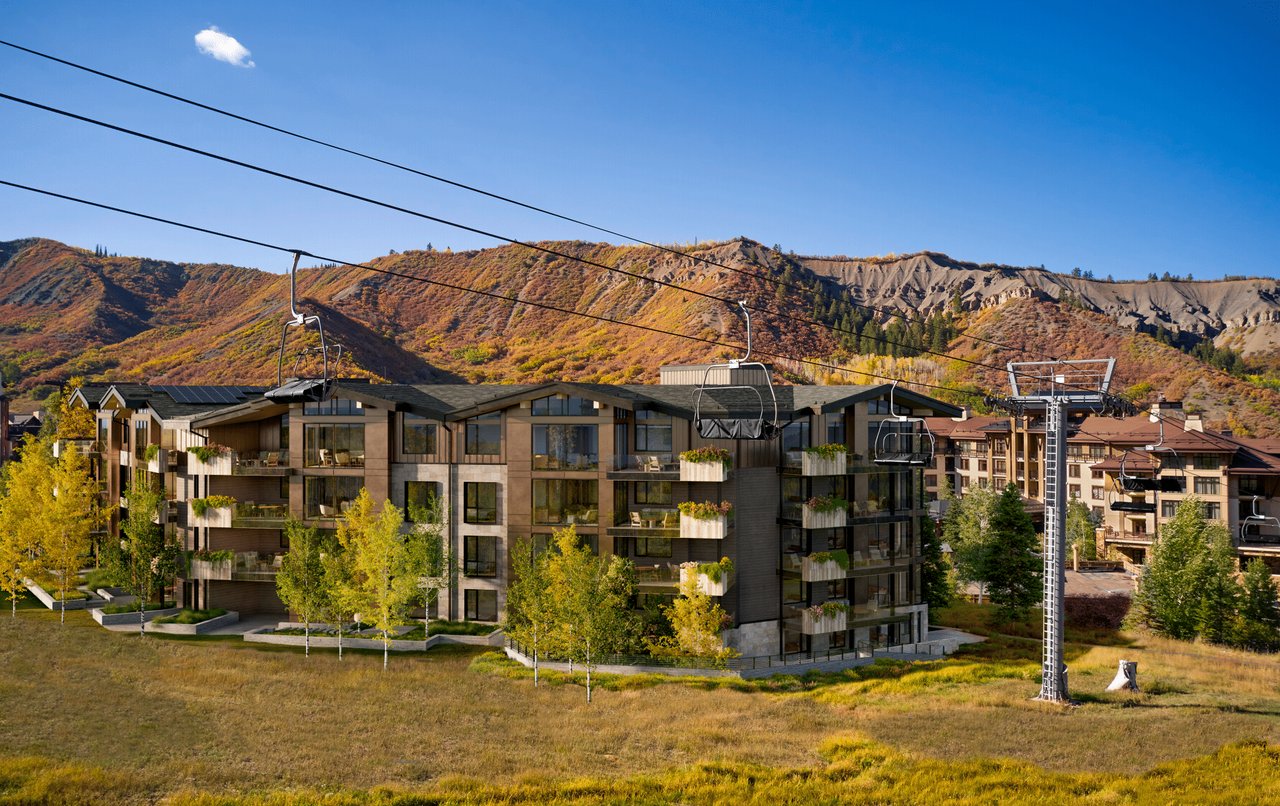
- Ski access, whether ski-in/ski-out or within walking distance of a lift base
- Lot scale and privacy, particularly for buyers whose primary criterion is seclusion
Step 6: Make an Offer and Negotiate
The offer process in Colorado is contract-driven. Once a price is agreed upon verbally, a formal written contract is executed using the Colorado Real Estate Commission's approved forms, with earnest money deposited with a title company. Key terms every luxury Aspen offer needs to address:
- Purchase price and the basis on which it was determined relative to comparable sales
- Earnest money amount, typically 1% to 3% of the purchase price for luxury transactions, held in escrow with a title company
- Inspection and due diligence deadlines, which in Colorado are structured as objection periods rather than approval requirements
- Title review period, during which the buyer reviews the preliminary title commitment for any encumbrances, easements, or title defects
- Closing date, typically 30 to 60 days after contract execution for cash transactions, and 45 to 75 days for financed purchases
- Inclusions and exclusions, which in furnished luxury properties require precise specification of what is included with the purchase
- STR permit status, which should be explicitly addressed if rental income is part of the acquisition rationale
In the current market environment, the sale-to-list price ratio sits at approximately 90.77%. This figure indicates that buyers are consistently paying below asking price on properties that have sat on the market. Well-priced properties with genuine buyer demand do not present the same negotiating opportunity. Knowing the difference between an overpriced listing and a well-priced one is where your broker's market knowledge earns its value.
Step 7: Complete Due Diligence
Colorado's buyer-beware framework places the responsibility for uncovering property issues directly on the buyer. The due diligence period is the window to do that work thoroughly. Inspections to arrange:
- General home inspection covering structural, mechanical, electrical, and plumbing systems
- Roof and gutter inspection, particularly critical given Aspen's snow load environment
- HVAC inspection and evaluation of radiant heat systems if applicable
- Radon testing, which is particularly relevant in Colorado's mountain communities
- Septic system inspection for properties not connected to municipal sewer
- Water rights and well documentation for rural parcels in Old Snowmass or Woody Creek
- Wildfire defensible-space assessment, which is increasingly required by insurers and affects both safety and insurance availability
Title review items specific to Aspen:
- Ski access rights: Ski access may depend on easements, corridor arrangements, or other recorded rights, and should be confirmed through title and closing diligence rather than assumed from marketing language alone.
- HOA documents, covenants, and any private road or utility assessments
- Zoning verification and confirmation of any STR permit status, zone classification, and applicable restrictions
- Any open permits, unpermitted work, or outstanding code violations that would trigger design review on future renovations
- Water rights documentation for any property with irrigation or well access
Insurance: Budget time during the inspection period to obtain insurance quotes. 99% of Aspen properties face some wildfire risk over the next 30 years, and insurers are increasingly scrutinizing coverage in higher-risk zones. Premiums can be significantly higher than buyers expect, and some carriers may impose requirements around defensible space work before issuing coverage.
Step 8: Understand the Closing Costs
Aspen's closing cost structure has several components that differ materially from most US real estate markets. Budget for them before you go under contract. Real Estate Transfer Tax (RETT): The City of Aspen imposes a Real Estate Transfer Tax of approximately 1.5% of the closing price, payable by the buyer. It is apportioned as follows: 1.0% goes to the affordable housing fund, and approximately 0.5% goes to the Wheeler Opera House. The 1.0% housing component excludes the first $100,000 of consideration. Properties in unincorporated Pitkin County, including upper Red Mountain parcels, pay no RETT. That distinction can mean a six-figure difference on a high-value transaction. For Snowmass Village, the RETT is 1.0%. Snowmass Base Village properties carry an additional 1.0% Metro District fee for a total of 2.0%. Additional closing cost items to budget:
- Title insurance premium, with the owner's policy traditionally paid by the seller in Colorado but negotiable in the contract
- Colorado state documentary fee: 0.01% of the purchase price, minimal on any transaction
- Recording fees: approximately $11 to $13 per page, also minimal
- Attorney fees if using a local real estate attorney to review contracts and manage closing documentation, which is recommended on transactions above $5 million
- Lender fees if financing, which on jumbo and portfolio loans can include origination fees, appraisal costs (two appraisals on most loans above $1.5 million to $2 million), and processing fees
For a cash purchase of a $10 million property within City of Aspen limits, total buyer closing costs typically run approximately $175,000 to $200,000, dominated by the RETT of approximately $149,000.
Step 9: Close and Take Ownership
Colorado closings are handled by title companies rather than attorneys in most transactions, though many luxury buyers retain local counsel to review final documents. The process is efficient and well-established. The closing sequence:
- Final walkthrough of the property, typically within 24 hours of closing
- Wire transfer of closing funds, which must arrive before the title company disburses proceeds
- Signing of the deed, transfer documents, and any lender documents if applicable
- The title company records the deed and deed of trust with the Pitkin County Clerk and Recorder, and transfer tax declarations are filed with the City of Aspen if the property is within city limits.
- Keys transferred and possession taken, per the date agreed in the contract
Cash transactions typically close in 30 days or less. Financed transactions run 45 to 75 days depending on the loan product and appraisal timeline.
Step 10: Post-Closing Priorities
The transaction closing is not the end of the process for a well-prepared Aspen buyer. Several items require immediate attention after taking possession.
- STR permit application, if you intend to rent the property. Permits are non-transferable on sale, and new applications in certain zones face waitlists. Apply as early as possible.
- Insurance review, confirming that your coverage is in place and that any defensible-space requirements the insurer specified are addressed before the next wildfire season.
- Utility account transfers, including electricity, natural gas, water, and any HOA or private road utility accounts.
- Contractor scheduling, if renovation or maintenance work is planned. Lead times for qualified contractors in Aspen are long. Book early, particularly for any work that needs to be completed before winter.
- Property management, if you are not full-time in Aspen. A local property manager handles seasonal maintenance, snow removal, vendor coordination, and property checks during your absence.
The Right Broker Makes Every Step Work!
The process described above is navigable and well-defined. What is not navigable without the right local relationship is access to the properties that never reach the MLS—the ones in the $15M to $50M range that move through private introductions, advance conversations, and trusted broker networks. Ksenia Tyutrina works exclusively in Aspen's $10M+ segment. Her off-market relationships and transaction history give serious buyers access to properties that do not appear on any platform and the neighborhood-level depth to know whether a specific property justifies its price in the current market. The first step to buying a home in Aspen is the right conversation. Start it here. Request the Off-Market List | List Your Home with Ksenia | Book a Consultation
Frequently Asked Questions
Do I need a local real estate attorney to buy in Aspen?
Colorado does not legally require an attorney for real estate transactions, as title companies handle closings. That said, engaging a local real estate attorney is strongly recommended for transactions above $5 million. Aspen transactions can involve complex title histories, zoning questions, STR permit considerations, water rights documentation, and ski access easements that benefit from legal review beyond what a title company provides.
What closing costs should I budget for when buying in Aspen?
For a cash purchase of a $10 million property within City of Aspen limits, budget approximately $175,000 to $200,000 in buyer closing costs, dominated by the 1.5% Real Estate Transfer Tax of approximately $149,000. Properties in unincorporated Pitkin County pay no RETT, which significantly reduces closing costs. Additional items include title insurance (if paid by the buyer per the contract), attorney fees, and recording costs. Financed purchases add lender fees on top of these figures.
Can a non-US resident buy property in Aspen, CO?
Yes. There are no citizenship or residency restrictions on foreign nationals purchasing real estate in Colorado. International buyers should be aware of FIRPTA withholding requirements on eventual sale (15% of the sale price withheld for non-US persons unless an exemption applies), potential estate tax exposure for US situs assets, and any tax treaty provisions that may apply in their home country.