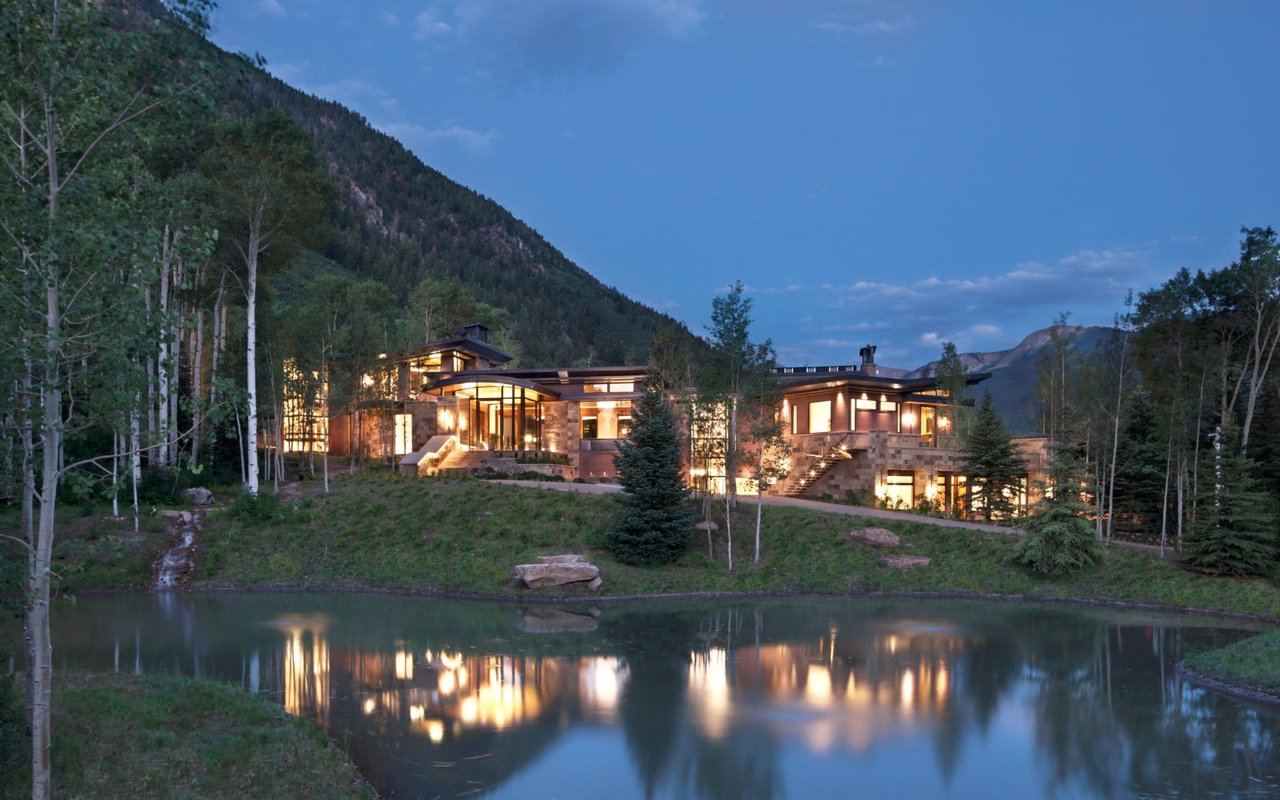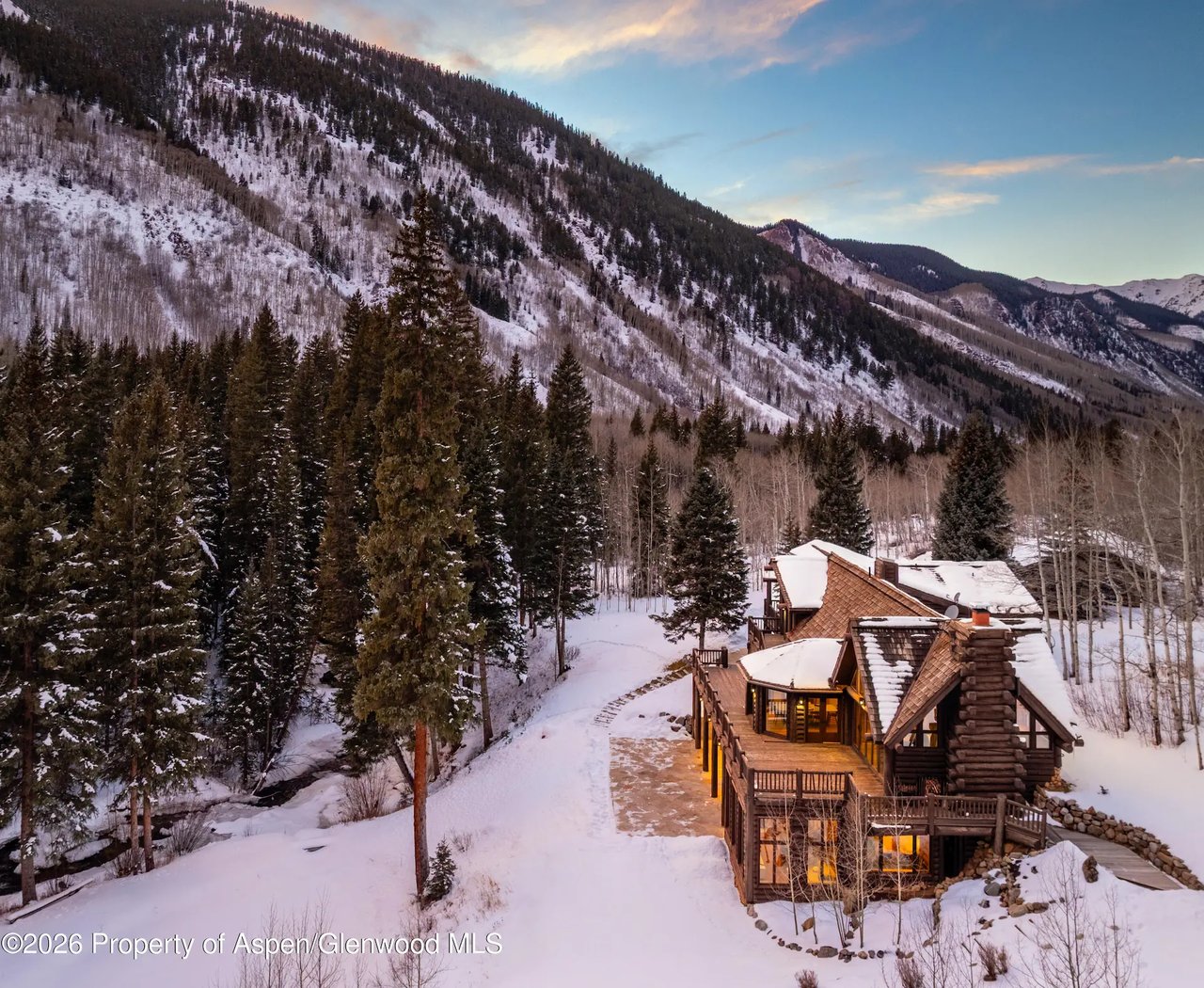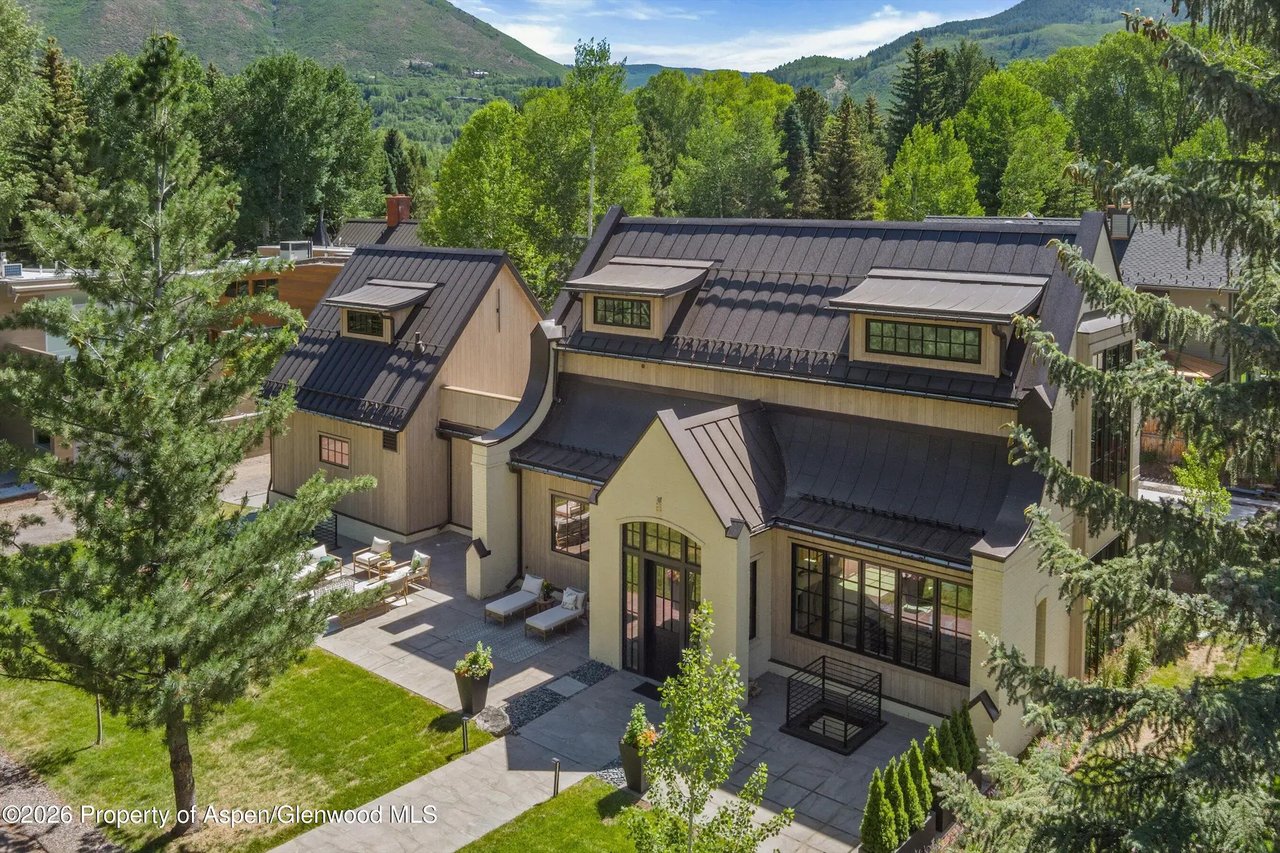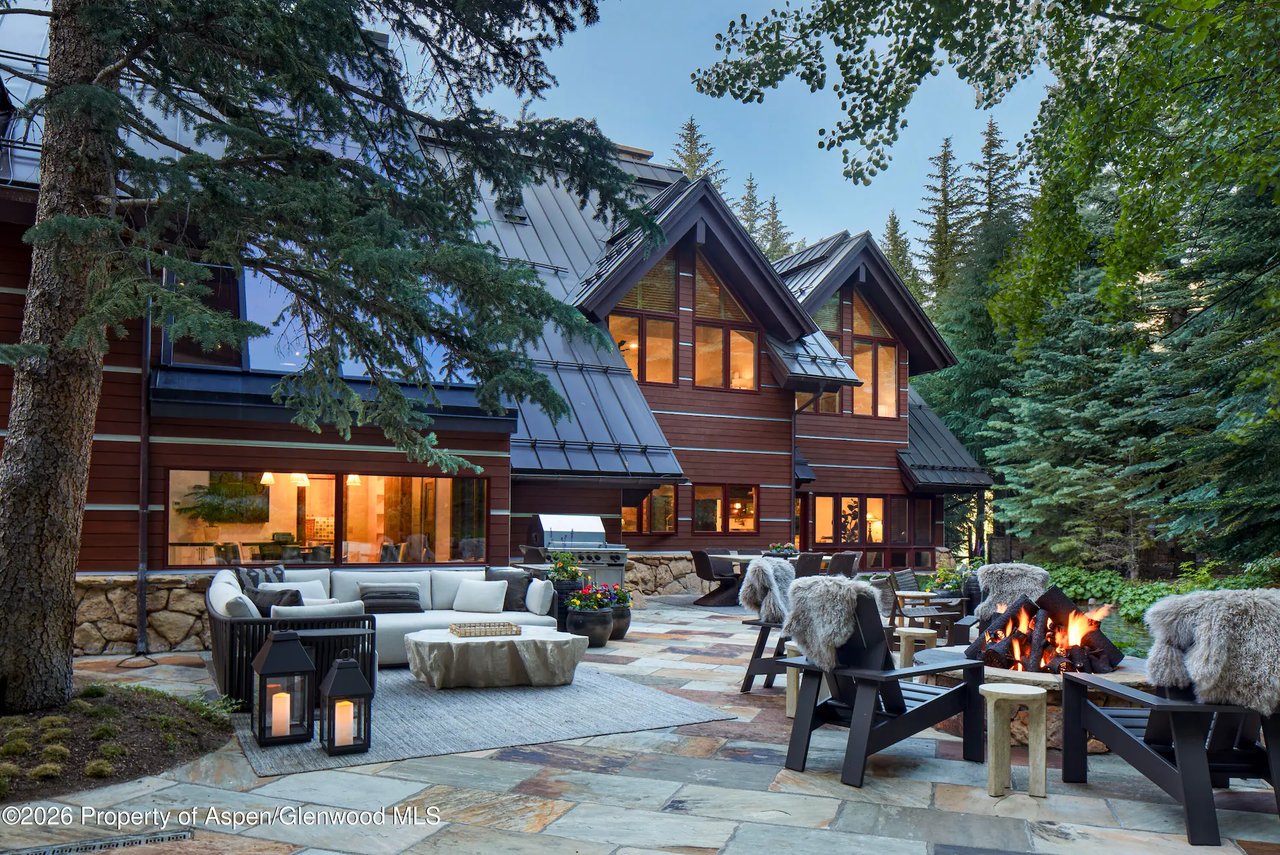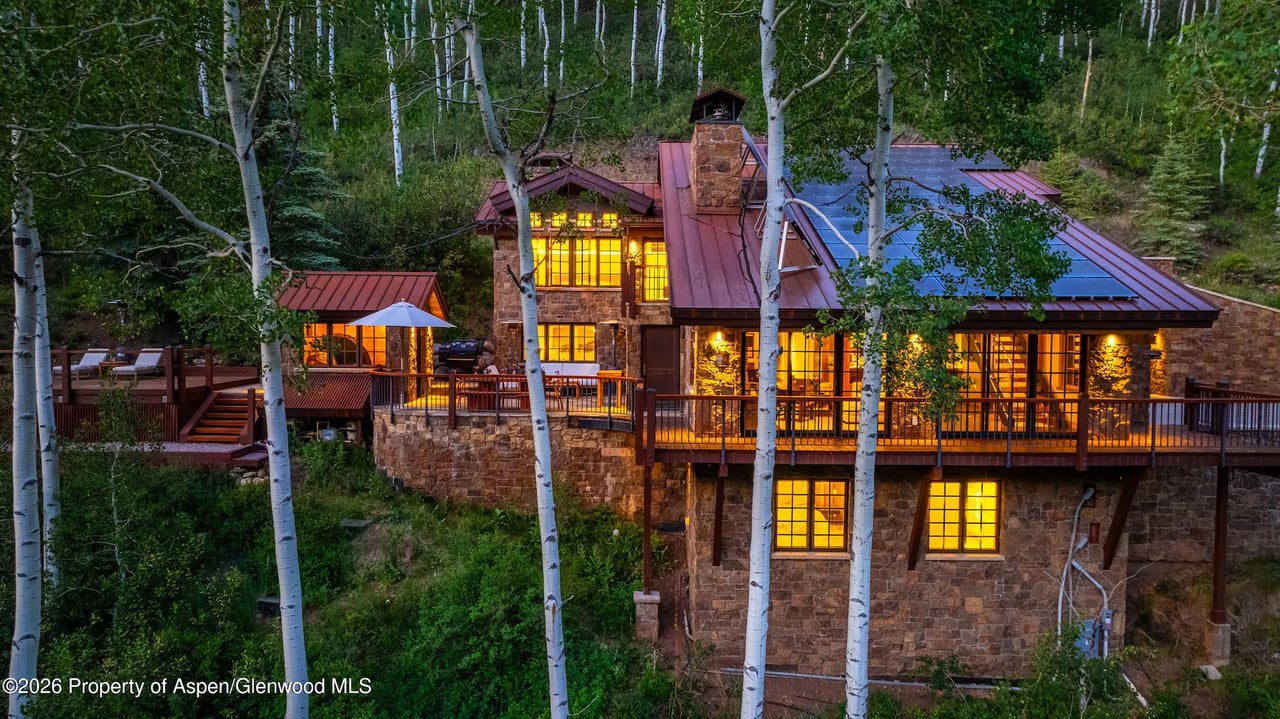
Aspen's housing inventory has been called many things: stubbornly low, historically tight, structurally constrained. Every description is accurate, and none of them fully captures how unusual the situation actually is. Aspen is globally desirable, supply-constrained, and increasingly priced from the top down. The traditional comp—what did the neighbor sell for? — still matters, but it is no longer the whole story. In a market this tight, the deeper questions are
- How rare is this asset?
- Does it take long to recreate it?
- What would it actually cost to build today?
Those are the questions this article answers. Not just how many listings are active right now, but why supply refuses to recover, what mechanisms keep it that way, and what it means if you are trying to buy.
Where Inventory Stands Right Now
The current state of Aspen, CO housing inventory is best understood as two simultaneous realities that appear contradictory until you examine the data carefully. On one hand, supply has increased relative to the depths of the pandemic era. Pitkin County started 2026 with around 151 active residential listings and 9.4 months of supply, up from just 4.5 months a year earlier. Active inventory as of February 2026 sat at 158 listings, with a median of 115 days on market and 8 months of supply. On the other hand, that same inventory level sits approximately 40% below December 2019 pre-pandemic levels. The gap between where supply is today and where it was before the pandemic has not closed. It has barely budged. Here’s the current inventory snapshot:
Metric | Current Figure | Context |
Active listings (Pitkin County) | ~151–158 | January–February 2026 |
Months of supply | 8–9.4 months | Up from 4.5 months in early 2025 |
Median days on market | 115 days | Up significantly from 2024 |
Inventory vs. Dec 2019 pre-pandemic | Down ~40% | Gap not closing |
Sales above $10M (H1 2026) | Down 48% in transactions | Volume decline, not price decline |
The Six Forces Keeping Aspen Inventory Permanently Low
Supply in Aspen does not recover the way it does in other markets because the forces constraining it are not cyclical. They are structural, regulatory, and geographic. Here is each one, specifically.
1. Public Land Surrounds 92% of the Valley
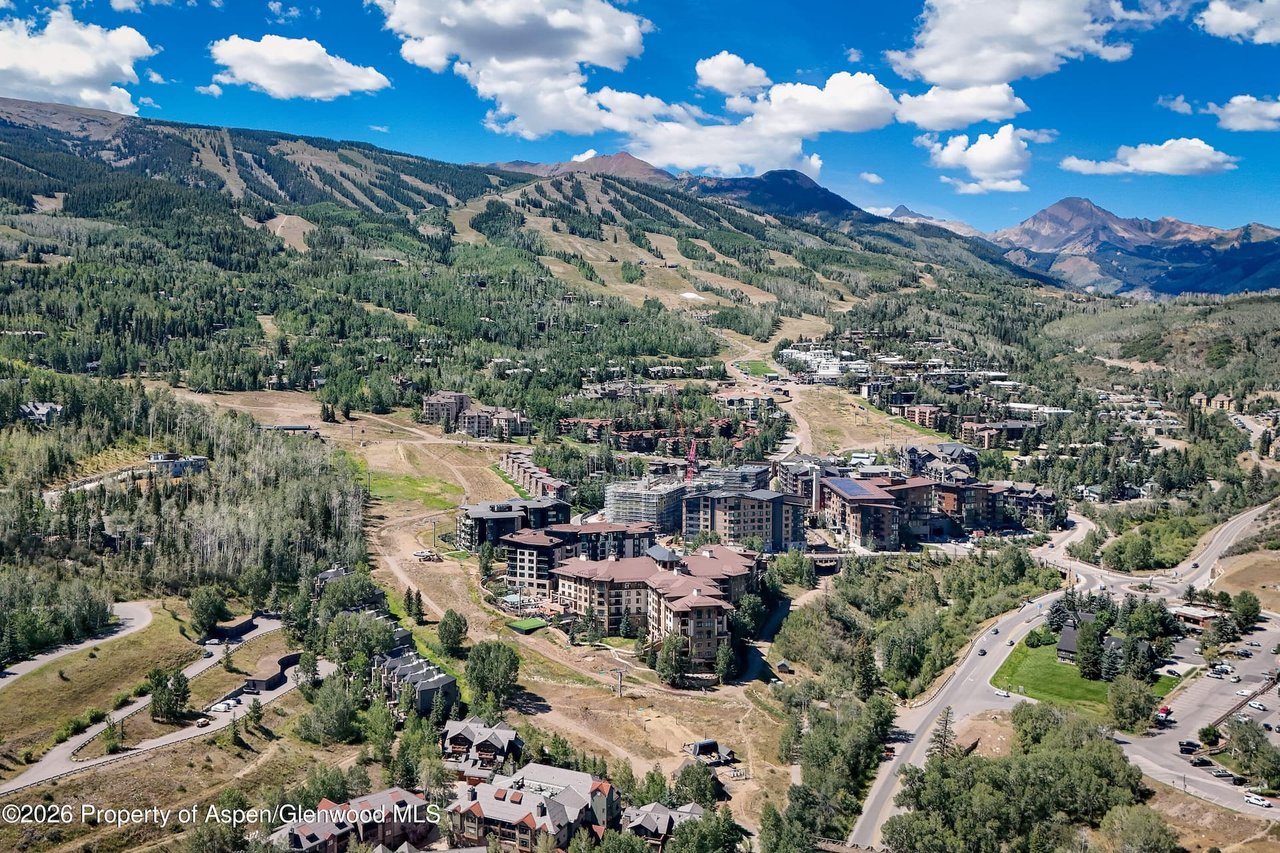
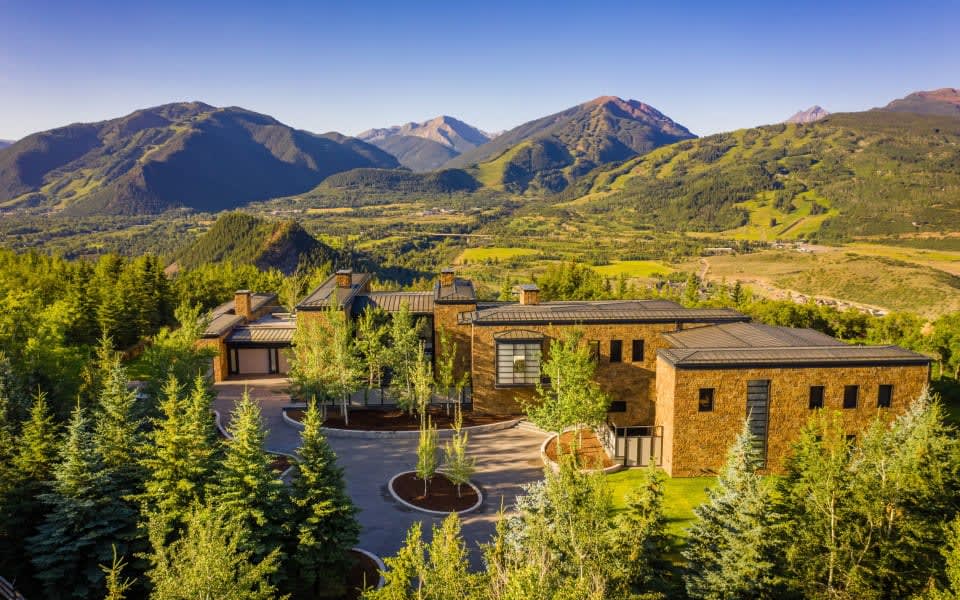
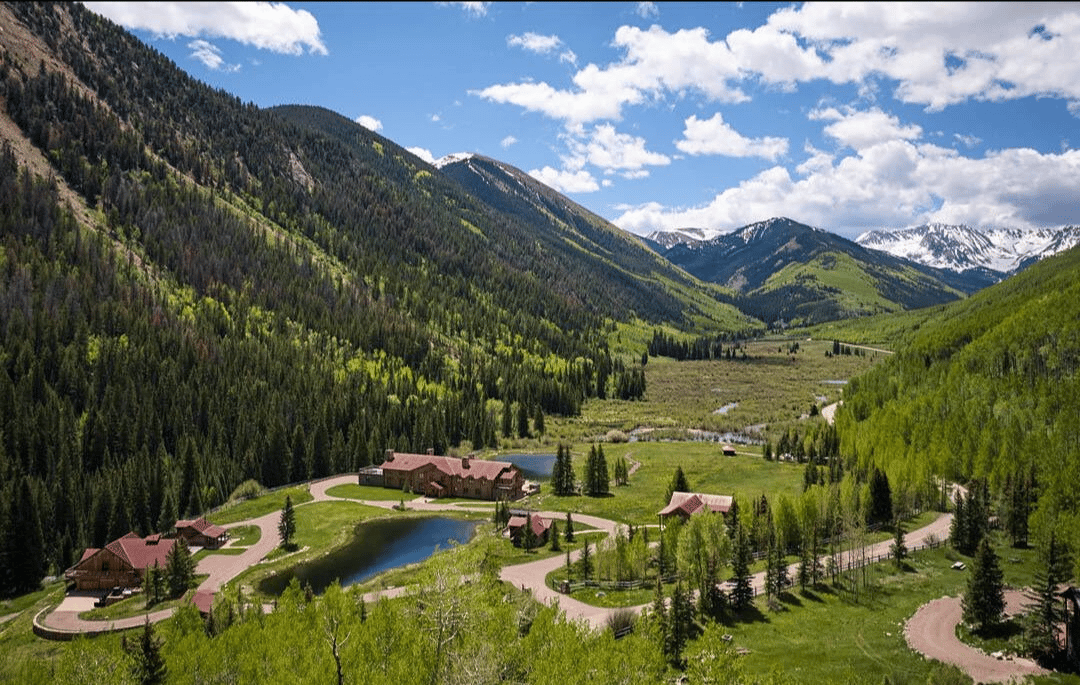
Aspen's most fundamental supply constraint has nothing to do with policy. It is physical. The 84% protected land figure is not going to change. The Urban Growth Boundary is not being removed. Plus, the new Land Use Code is making the development constraints tighter. Every year that passes without new supply being added is another year that the existing stock becomes marginally more irreplaceable. Also, 92% of the land surrounding Aspen is public, limiting private development in a way that no zoning change, policy shift, or amount of developer capital can overcome.
2. Demolition Permits Are Capped at Six Per Year
Replacing old housing stock with new products requires demolition permits, and Aspen actively limits how many can be issued. Aspen's city land use ordinance grants only six demolition permits annually through a lottery system, plus two for residents of over 35 years. Failed applicants must restart the process the following year, adding uncertainty to redevelopment plans. The practical effect is that the teardown-and-rebuild cycle that replenishes housing stock in comparable markets like Vail or Breckenridge simply cannot operate at scale in Aspen. This has steered development towards the remodel side of things rather than new development. Any renovation altering less than 40% of a structure's exterior avoids the demolition permit process, making remodels a more predictable and cost-effective choice.
3. Construction Costs Make New Development Prohibitive
Even for developers who can navigate the permit environment, the economics of new construction are brutal. New builds in Aspen cost between $2,000 and $4,000 per square foot before soft costs, design review, and carrying risk. Construction costs are among the highest in the country, and due to strict zoning regulations and approval uncertainties, timelines must be considered: remodels can easily take 12 to 18 months, and new construction can take four to five years.
4. The 2026 Land Use Code Adds New Regulatory Layers
Pitkin County adopted an updated land use code effective January 2026, reinforcing and in some cases expanding the development constraints already in place. The new code adds approval complexity that further lengthens the timeline between a development decision and a finished product reaching the market. The timing matters. This is not a loosening of constraints in response to a tight market. It is a tightening of an already restrictive framework, which signals the regulatory posture is moving in one direction.
5. Cash Buyers Have No Motivation to Sell
More than 70% of transactions in Aspen close in cash, which means existing owners face no mortgage pressure to sell. They hold indefinitely. No refinancing risk, rate reset, or financial hardship scenario forces a cash-rich owner in Aspen to liquidate. Many sellers have enjoyed years of appreciation, strong investment returns, and manageable carrying costs. They simply do not have to sell. If they do not receive the price they want today, many are content to wait until next season.
6. The Lock-In Effect: Owners Have Nowhere Better to Go
A more subtle but equally important supply suppressor is what analysts call the lock-in effect. Boomers are not moving. Aspen's most desirable properties are held by owners who have lived in or visited them for decades, have emotional and social ties to the community, and have no compelling reason to trade their established position for something comparable elsewhere. The combination of lifestyle attachment, financial staying power, tax efficiency of holding versus selling, and the absence of a superior alternative creates an ownership class that turns over very slowly. The properties that do come to market often represent estate sales, relocation-driven decisions, or sellers who have already identified their next property, and not the kind of broad inventory release that a volume-hungry market needs.
What This Means for the Numbers Over Time
The supply trajectory over the past decade illustrates just how persistent the constraint is:
Period | Approx. Active Listings | Notes |
September 2019 | ~681 | Pre-pandemic baseline |
September 2020 | ~472 | Early pandemic demand begins |
2022 (low point) | ~80-95 | Historic inventory floor |
January 2025 | ~174 | Modest recovery |
January 2026 | ~151-158 | Slight pullback, still well below 2019 |
The pattern is consistent. Supply spiked downward during the pandemic demand surge, has recovered partially, but has shown no sustained upward movement toward pre-pandemic levels. Overall inventory throughout Pitkin County mirrors last year's levels and remains approximately 40% below the December 2019 pre-pandemic levels. That 40% gap is the number that matters most. It is the baseline condition of this market, and every structural force described above is working to keep it there.
The Off-Market Pipeline: The Inventory That Never Gets Counted
Any discussion of Aspen, CO housing inventory is incomplete without addressing the off-market segment, which represents a significant share of the most consequential transactions and which never appears in active listing counts. Properties in Aspen's $10M to $50M range frequently transact before they reach the MLS. A seller signals to one or two trusted brokers that they are open to a conversation. A curated list of vetted buyers is contacted privately. If there is a match, the transaction moves forward without a listing day, a public price, or a days-on-market counter. This means the inventory data that is publicly visible understates the total supply available to well-connected buyers. Active listings capture the properties sellers have decided to market publicly. They do not capture the properties that are available, quietly, to the right buyer with the right introduction. For buyers who rely on portal searches and public MLS data, they are seeing a fraction of what is actually accessible. The off-market pipeline is not a rumor. It is where the defining transactions in this market happen first. Explore Aspen luxury real estate | Browse Aspen homes for sale | About Ksenia Tyutrina
What Tight Inventory Means for Buyers in 2026
The supply picture has specific implications for buyers that go beyond simply "inventory is low." What tight inventory does to pricing:
- Sellers with well-positioned properties have genuine pricing power, even in a softer volume environment
- Price per square foot across prime Aspen locations remains above $3,000, with the best assets still trading above $4,000 to $6,800 per square foot
- Pricing remains supported by scarcity and global demand, not speculation
- Price reductions are happening at the margin, primarily on overpriced or compromised listings, not across the top tier
What tight inventory does to buyer strategy:
- The properties worth owning in Aspen do not sit for 362 days. They move through relationships before the public market sees them
- Buyers who rely on browsing portals and waiting for the right listing are operating in a fraction of the market that is publicly visible
- Access to the off-market pipeline is not a secondary advantage in this environment. It is the primary one
- Patience without preparation is not a strategy. Knowing what you want before the right property surfaces is what makes decisive action possible when it matters
What tight inventory does to long-term value:
- Supply cannot increase meaningfully, and the forces ensuring that are not going away
- Demand continues to be driven by a global ultra-high-net-worth buyer base whose wealth is growing, not shrinking
- Limited supply continues to support pricing. For long-term investors, Aspen real estate remains a proven safe-harbor asset with lifestyle return.
- Every year of holding an Aspen property is a year in which the asset becomes marginally more irreplaceable
The Buyer's Practical Checklist for a Tight Inventory Market
Navigating Aspen's supply environment successfully requires a different approach than most real estate markets demand:
- Establish broker relationships before you need them
- Know your criteria specifically
- Model renovation timelines realistically
- Do not wait for a correction to materialize
- Verify STR permit status before the offer is written
The Supply Situation Is Not a Problem That Will Be Solved
Aspen's tight housing inventory is not a temporary condition waiting for a policy fix or a construction boom to resolve it. You cannot create more Aspen. The protected land figure is not changing. The Urban Growth Boundary is not being removed. The new Land Use Code is making development constraints tighter. Every year that passes without new supply being added is another year that the existing stock becomes marginally more irreplaceable. For buyers, that reality cuts in one direction: the properties worth owning in this market are not becoming more accessible with time. The buyers who are positioned to act when the right opportunity surfaces are the ones who have already built the broker relationships that give them access to what is not publicly visible. Ksenia Tyutrina works exclusively in Aspen's $10M+ segment, with active relationships across the seller networks that define this market's off-market pipeline. The conversation about what is actually available starts here. Request the Off-Market List | List Your Home with Ksenia | Book a Consultation
Frequently Asked Questions
How many homes are currently for sale in Aspen, CO?
As of early 2026, approximately 151 to 158 active residential listings are available across Pitkin County, representing roughly 8 to 9.4 months of supply. That figure is up from 4.5 months of supply a year earlier, but still approximately 40% below December 2019 pre-pandemic levels. Aspen is currently described as a buyer-leaning market in terms of negotiating posture, but it does not behave like a traditional buyer's market due to structural supply constraints.
Why is Aspen's housing inventory so low?
Six structural factors keep Aspen's housing inventory persistently tight: 92% of surrounding land is public and undevelopable; demolition permits are capped at six per year through a lottery system; new construction costs run $2,000 to $4,000 per square foot making new supply economically prohibitive below the luxury tier; the 2026 updated land use code adds further regulatory constraints; more than 70% of transactions close in cash removing any mortgage pressure to sell; and the lock-in effect keeps long-term owners in place with no financial motivation to transact.
Does low inventory mean Aspen home prices will stay high?
Historically, yes. The combination of supply constraints and a globally diversified, cash-majority buyer base has prevented sustained price corrections in Aspen through multiple market cycles. Periods of lower transaction volume have not translated to periods of lower prices. The current environment in 2026 reflects softer volume but largely stable pricing, with the sale-to-list ratio at approximately 90.77%, indicating buyer negotiating leverage on overpriced listings rather than broad market price erosion.
What is the best way to find properties in Aspen that are not publicly listed?
Off-market properties in Aspen's $10M+ segment are accessed entirely through broker relationships. A broker who is embedded in the private seller networks for your target price range and neighborhood can surface properties before they are listed or that will never be listed at all. The starting point is establishing that relationship well before you are ready to buy, not at the moment you decide to transact.